
We recognize the unique challenges faced by those who have served. Our Heroes Program offers a supportive environment for current and past military personnel and their families. Here, you can access the care needed to begin your journey toward healing and recovery.
Our Unique Therapeutic Approach
Military service is challenging and rewarding, but it brings immense psychological demands. Military life can be physically exhausting and emotionally taxing. Long deployments, combat exposure, and separation from loved ones can cause significant stress. High-stakes decisions and constant vigilance in hostile environments can also lead to chronic mental strain.
Transitioning from military to civilian life can be a challenging part of a veteran’s journey. Feelings of isolation, disconnection, and loss of purpose are common. Our program focuses on life skills, structured routines, relationship-building, and community reintegration. We help veterans rebuild their identity and purpose beyond the uniform.
Harmony Hills blends traditional and integrative therapies to provide a well-rounded recovery experience. Our offerings include trauma-focused therapy, CBT, DBT, family and group therapy, and EMDR. However, the cornerstones of our Heroes Program are one-on-one therapy and civilian reintegration programming. Combined with trauma therapy, these approaches provide the necessary tools for individuals to heal from past experiences. They also help successfully reintegrate into civilian life.
One-on-One Military and Veteran Therapy
One-on-one therapy offers personalized support tailored to the unique experiences of military personnel and veterans. These sessions provide a comfortable space to address challenges such as PTSD, trauma, and the transition to civilian life. By focusing on individual needs, this therapy facilitates healing and promotes long-term resilience.
Civilian Reintegration Programming
Civilian reintegration programming is designed to assist veterans as they transition from military to civilian life. Our program provides resources and support to help with employment, education, and building community connections. By addressing potential barriers, we aim to foster a smooth and successful reintegration process.
Each person receives a personalized treatment plan tailored to their background and clinical needs. Harmony Hills also supports military families, recognizing their importance in recovery. Through family therapy and other forms of treatment, we help rebuild trust, improve communication, and create a supportive environment.
Other Mental Health Services Available to Veterans
Our Heroes Program offers a full spectrum of mental health services designed to address the complex needs of veterans and active-duty military personnel. These services include:
- Evidence-Based Therapy for Veterans:
- Cognitive-behavioral therapy (CBT): A therapeutic approach that helps identify and change destructive thinking patterns and behaviors, adapted for military experiences
- Dialectical behavior therapy (DBT): A form of therapy that teaches emotional regulation skills for emotional regulation
- Eye Movement Desensitization and Reprocessing (EMDR): A specialized therapy technique for trauma processing
- Prolonged exposure therapy for PTSD: A treatment that gradually helps process traumatic memories
- Acceptance and commitment therapy (ACT): A mindfulness-based approach to mental health
- Specialized Treatment Modalities:
- Individual therapy sessions with veteran-trained clinicians
- Group therapy with fellow veterans and service members
- Family therapy to strengthen relationships and communication
- Peer support programs led by veteran counselors
- Integrated Care Approach:
- Medical and psychiatric evaluation
- Medication management when appropriate
- Holistic wellness programs, including mindfulness and meditation
- Recreational therapy and creative arts programs
- Nutritional counseling and physical wellness support
Understanding mental health challenges among active-duty military and veterans
Military personnel and veterans can struggle with their mental health for many reasons. Exposure to trauma, long deployments, combat situations, and even the structure of military life can lead to significant emotional and psychological strain.
Common mental health issues faced by military personnel are post-traumatic stress disorder, depression, anxiety, and feelings of isolation or lack of purpose. Some may even turn to substance abuse to cope. Untreated, these conditions can affect every part of life—relationships, employment, physical health, and even self-worth. Despite the significant effects that untreated mental health conditions can have, many military members and veterans struggle to get the treatment they need.
Some of the barriers to mental health care that military personnel may face include stigma, limited resources, and struggling to navigate the healthcare system. Many hesitate to seek help due to a culture of resilience and fear of judgment, often delaying support and worsening mental health. Early intervention is vital to improving outcomes and quality of life. At Harmony Hills, we provide a supportive and compassionate environment that helps active military members and veterans overcome these barriers.
Our Heroes program specializes in treating a range of mental health conditions that are common among military personnel and their families, including:
- Post-traumatic stress disorder (PTSD)
- Depression
- Anxiety
- Substance abuse
We also treat bipolar disorder, borderline personality disorder, and self-harming behaviors, providing a wide-reaching net of support for each individual’s needs.
Understanding Mental Health Challenges Among Active-Duty Military and Veterans
Military personnel and veterans can struggle with their mental health for many reasons. Exposure to trauma, long deployments, combat situations, and the structure of military life can lead to significant emotional strain.
Common mental health issues faced by military personnel include post-traumatic stress disorder, depression, anxiety, and feelings of isolation. Some may turn to substance abuse to cope. Untreated, these conditions can affect relationships, employment, physical health, and self-worth.
Barriers to mental health care that military personnel may face include stigma, limited resources, and difficulty navigating the healthcare system. Many hesitate to seek help due to a culture of resilience and fear of judgment. This often delays support and worsens mental health. Early intervention is vital to improving outcomes and quality of life.
At Harmony Hills, we provide a supportive and compassionate environment. We help active military members and veterans overcome these barriers.
Our Heroes program specializes in treating mental health conditions common among military personnel and their families:
- Post-traumatic stress disorder (PTSD)
- Depression disorders
- Anxiety disorders
- Attention Deficit Hyperactivity Disorder (ADHD)
We also treat bipolar disorder, borderline personality disorder, and self-harming behaviors. This provides comprehensive support for each individual’s needs.
What Crisis Support Is Available for Veterans?
Veterans experiencing a mental health crisis have immediate support options available 24/7. If you or a veteran you know is in crisis, take these steps:
- Call 988 and press 1 for the Veterans Crisis Line
- Text 838255 for confidential crisis support
- Chat online at net
- Call 911 for immediate emergency assistance
Warning Signs of Crisis:
- Thoughts of suicide or self-harm
- Severe depression or hopelessness
- Substance abuse escalation
- Aggressive or violent behavior
- Complete withdrawal from family and friends
- Giving away possessions or making final arrangements
At Harmony Hills, we provide crisis intervention services. We can arrange immediate assessment and stabilization when needed. Our clinical team is trained to handle psychiatric emergencies. We work closely with local emergency services to ensure veteran safety.
Our unique therapeutic approach
Military service is challenging and rewarding but brings immense psychological demands. Military life can be physically exhausting and emotionally taxing, with long deployments, combat exposure, and separation from loved ones this can cause significant stress. High-stakes decisions and constant vigilance in hostile environments can also lead to chronic mental strain.
Transitioning from military to civilian life can be a challenging part of a veteran’s journey. Feelings of isolation, disconnection, and loss of purpose are common. That’s why our program focuses on life skills, structured routines, relationship-building, and community reintegration. We help veterans rebuild their identity and purpose beyond the uniform.
Harmony Hills blends traditional and integrative therapies to provide a well-rounded recovery experience. Our offerings include trauma-focused therapy, CBT, DBT, family and group therapy, and EMDR. However, the cornerstones of our Heroes Program are one-on-one therapy and civilian reintegration programming. Combined with trauma therapy, these approaches provide the necessary tools for individuals to heal from past experiences and successfully reintegrate into civilian life.
One-on-one military and veteran therapy
One-on-one therapy offers personalized support tailored to the unique experiences of military personnel and veterans. These sessions provide a comfortable space to address challenges such as PTSD, trauma, and the transition to civilian life. By focusing on individual needs, this therapy facilitates healing and promotes long-term resilience.
Civilian reintegration programming
Civilian reintegration programming is designed to assist veterans as they transition from military to civilian life. Our program provides resources and support to help with employment, education, and building community connections. By addressing potential barriers, we aim to foster a smooth and successful reintegration process.
Each person receives a personalized treatment plan tailored to their background and clinical needs. Harmony Hills also supports military families, recognizing their importance in recovery. Through family therapy and other forms of treatment, we help rebuild trust, improve communication, and create a supportive environment.
How Are Unique Veteran Challenges Addressed?
Military Sexual Trauma (MST) Support
Military sexual trauma affects both male and female veterans. It requires specialized, trauma-informed care. According to the Department of Veterans Affairs, approximately 1 in 4 women and 1 in 100 men experienced MST during their military service.
MST Symptoms May Include:
- Post-traumatic stress disorder
- Depression and anxiety
- Relationship difficulties
- Substance use disorders
- Sleep disturbances and nightmares
- Difficulty with trust and intimacy
Our approach to MST treatment includes:
- Individual trauma-focused therapy with specially trained clinicians
- Support groups specifically for MST survivors
- Evidence-based treatments like CPT (Cognitive Processing Therapy): A specialized therapy that helps process traumatic experiences
- Family therapy to address relationship impacts
- Coordination with medical care for physical health concerns
Traumatic Brain Injury (TBI) and Mental Health
Traumatic brain injury is common among veterans, particularly those who served in Iraq and Afghanistan. TBI often co-occurs with mental health conditions. This requires integrated treatment approaches.
TBI Symptoms Often Include:
- Memory problems and difficulty concentrating
- Headaches and dizziness
- Mood changes and irritability
- Sleep disturbances
- Sensitivity to light and sound
- Depression and anxiety
Our TBI Support Services:
- Neuropsychological assessment and testing
- Cognitive rehabilitation therapy
- Coordination with neurologists and other specialists
- Adaptive strategies for daily living
- Family education about TBI effects
- Mental health treatment for co-occurring conditions
What Peer Support Programs Are Available for Veterans?
Peer support plays a crucial role in veteran mental health recovery. Our Heroes Program incorporates veteran-to-veteran counseling and community-based support programs. These foster connection and shared understanding.
Peer Support Services Include:
- Group therapy sessions led by veteran counselors
- Veteran-to-veteran mentoring programs
- Community reintegration activities
- Alumni support networks
- Partnerships with organizations like the Wounded Warrior Project
- Recreational therapy and outdoor programs
According to the Department of Veterans Affairs, veterans who participate in peer support programs often experience better treatment outcomes and lower rates of suicide. The shared experience of military service creates unique bonds. These bonds facilitate healing and recovery.
What Family Support Programs are Available?
Military families and caregivers often face their own unique challenges. Specialized support is beneficial for these situations. Our family programs recognize that recovery is most successful when the entire support system is involved.
Family Support Services:
- Family therapy sessions to improve communication
- Educational workshops about veteran mental health
- Caregiver stress management programs
- Support groups for military spouses and children
- Crisis intervention for families
- Resources for children of veterans
Family members learn how to:
- Recognize signs of mental health struggles
- Provide appropriate support without enabling
- Manage their own stress and well-being
- Navigate available resources and benefits
- Communicate effectively with their veteran
What Financial Assistance and Insurance Options are Available?
Understanding the cost of mental health treatment and available financial resources is essential for veterans seeking care. Harmony Hills accepts TRICARE and works with veterans to maximize their benefits.
Insurance and Payment Options:
- TRICARE (all plans accepted)
- Private insurance verification and authorization
- Veterans Affairs benefits coordination
- Payment plans and financial assistance programs
- Sliding scale fees based on income, when available
Cost Transparency:
We provide clear information about treatment costs upfront, including:
- Initial assessment fees
- Daily treatment rates for residential care
- Outpatient therapy session costs
- Additional services and their associated fees
- Insurance coverage details and out-of-pocket expenses
Veterans without VA benefits or those with other-than-honorable discharge status can still access care. Private insurance or self-pay options are available. Our financial counselors work with each veteran to find affordable treatment solutions.
What Telehealth Services are Available for Veterans?
Telehealth services have expanded access to mental health care for veterans. This is particularly helpful for those in rural areas or with mobility limitations. Our telehealth programs provide the same quality care as in-person services.
Telehealth Services Available:
- Individual therapy sessions via a secure video platform
- Group therapy and support groups online
- Psychiatric consultations and medication management
- Family therapy sessions, including remote family members
- Crisis intervention and safety planning
Digital Mental Health Tools:
- Mental health apps recommended by our clinical team
- Online resources for stress management and coping skills
- Educational materials about veteran mental health
- Self-assessment tools for tracking symptoms
- 24/7 crisis support through digital platforms
How to Access Veteran Mental Health Services
Veterans and their families can access mental health care at Harmony Hills through a straightforward process. This process is designed to remove barriers and provide immediate support. Our admissions team understands the unique needs of military service members. We work with veterans regardless of their VA enrollment status or discharge type.
Step 1
Verify your insurance
When seeking mental health treatment, verifying your insurance coverage is important. This ensures access to the care you need. Harmony Hills proudly accepts TRICARE military insurance, providing support for service members and their families.
Step 2
Admission
Speak with our admissions team to determine if our Heroes Program is right for you. We handle all logistics and make the process as smooth as possible.
Step 3
Personalized assessment and planning
You’ll receive a full assessment to create a care plan tailored to your needs. This covers therapy types, goals, and timelines.
Step 4
Treatment
Engage in individual, group, and alternative therapies. Your care team will guide you through each step of your treatment.
Step 5
Transition support
Begin preparing for life after treatment with job readiness resources, coping strategies, and community reintegration planning.
Step 6
Aftercare
Even after you leave our program, we stay with you. You’ll receive ongoing support, alumni connections, and resources to help maintain your progress.
About Our Expert Team
Military personnel, past and present, face unique challenges and sacrifices. They deserve care designed for their experiences. Seeking help isn’t weakness—it’s a brave step toward healing. Our team includes licensed psychiatrists, trauma-informed therapists, addiction specialists, wellness practitioners, and case managers. All are trained in veteran-specific care. We are committed to providing compassionate, evidence-based treatment for active-duty military and veterans.
One of the most unique aspects of the care provided by our Heroes Program is that our lead military-specific therapist is a veteran himself. Having walked a similar path, he deeply understands the challenges and experiences unique to military life. This includes deployment stress and reintegration struggles. This firsthand knowledge allows him to approach therapy with genuine empathy. He creates an environment where individuals feel understood and supported. His perspective bridges the gap between clinical expertise and personal experience. This ensures care that is both effective and deeply meaningful.
Frequently Asked Questions
What therapy options are available for veterans?
Therapy options for veterans include cognitive-behavioral therapy, dialectical behavior therapy, EMDR, trauma-focused therapy, and peer support groups.
How is military sexual trauma addressed in veteran mental health care?
Military sexual trauma is addressed through trauma-informed therapy, specialized support groups, and individualized treatment plans.
What support is available for traumatic brain injury in veterans?
Support for traumatic brain injury includes cognitive rehabilitation, neuropsychological assessment, and integrated mental health care.
Is telehealth available for veteran mental health care?
Telehealth services provide virtual therapy, online support groups, and mental health apps for veterans.
What is peer support for veterans?
Peer support for veterans involves group therapy, veteran-to-veteran counseling, and participation in community programs.
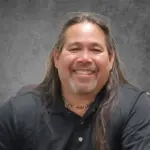
Melvin Salaiz, LMHC
Melvin is a retired U.S. Army veteran with 21 years active-duty military service time. As a licensed mental health counselor Melvin has been active in the military and veteran communities and delivers evidence-based counseling for active duty, veterans, and their families at Harmony Hills.
Contact Harmony Hills for the Care You Need and the Support You Deserve
If you are active-duty military or a veteran struggling with your mental health, you don’t have to face it alone. We understand how challenging this journey can be. Harmony Hills is here to provide specialized care tailored to your unique experiences. We offer a comfortable and supportive environment to help you heal.
Take the first step toward reclaiming your life! Reach out to our Heroes Program today. Your well-being is our mission, and together, we can build a better tomorrow. Contact Harmony Hills today to start your journey to veteran mental health recovery.