

Self-harm and self-injury affect millions of adults across the United States, and rates have been rising in recent years. Self-harm describes a range of behaviors where individuals intentionally harm themselves to cope with emotional distress or mental health issues. Self-injury is often associated with trauma, depression, and anxiety.
If you’ve begun cutting or using other methods of self-harm, it’s critical to seek treatment as soon as possible. Early intervention can reduce long-term risks and help you regain control over your mental and emotional health. It is important to seek self-harm treatment from qualified professionals to address underlying issues and prevent further harm.
A professional self-harm treatment program can address not only self-injurious behaviors but also any co-occurring mental health conditions, including depression, anxiety, PTSD, eating disorders, and substance use disorders. These comprehensive mental health treatment programs are designed to help you identify the root causes of self-harm, challenge harmful thought patterns, and build healthier coping strategies.
The effects of self-harm can be severe, leading to permanent scars, infection, nerve damage, and difficulty healing from future injuries. Psychologically, self-harm may result in depression, anxiety, difficulty forming relationships, and challenges with self-image, creating a cycle of guilt, shame, and ongoing mental health issues.
With the right support, recovery is possible. At Harmony Hills, our self-harm treatment center in Florida provides compassionate, evidence-based care to help adults move toward a healthier, more stable, and fulfilling life.
What is Self-Harm?
Self-harm, also known as self-injury or non-suicidal self-injury (NSSI), occurs when an individual intentionally harms their own body as a way to cope with emotional distress. It is important to note that self-harm is not a mental health disorder itself, but is often a symptom of an underlying mental health condition. While some injuries may appear minor, self-harm can become severe over time, leading to permanent scarring, infections, or other serious health complications.
Common forms of self-harm include:
- Cutting
- Burning
- Scratching or picking at skin
- Hitting or bruising oneself
- Interfering with wound healing
There are both physical and behavioral indicators that may suggest someone is engaging in self-injury. These can include visible wounds as well as changes in mood or behavior.
Self-harm often co-occurs with other mental health conditions, including:
- Anxiety disorders
- Depression disorders
- Post-traumatic stress disorder (PTSD)
- Eating disorders
- Bipolar disorder
- Substance use disorder
Cutting is one of the most common forms of self-harm. It is typically done in private, and individuals often conceal injuries by hiding marks under clothing. While it is classified as non-suicidal behavior, it still signals significant emotional pain and should never be ignored.
Many individuals engage in self-harm as a way to:
- Release overwhelming emotions
- Cope with numbness or emotional emptiness
- Express pain that they cannot put into words
- Regain a sense of control
If you notice repeated cuts, scars, burns, or bruises (especially in areas typically covered by clothing) it may be a sign that someone is struggling with self-injury.
People self-harm for various reasons, often as a way to manage emotional pain, trauma, or mental health struggles. For some, self-harm can be a non-verbal cry for help, drawing attention from others who may offer compassion. Those who self-harm may also feel a false sense of power by controlling their physical pain when they cannot control their emotional pain.
What Does a Self-Harm Treatment Center Do?
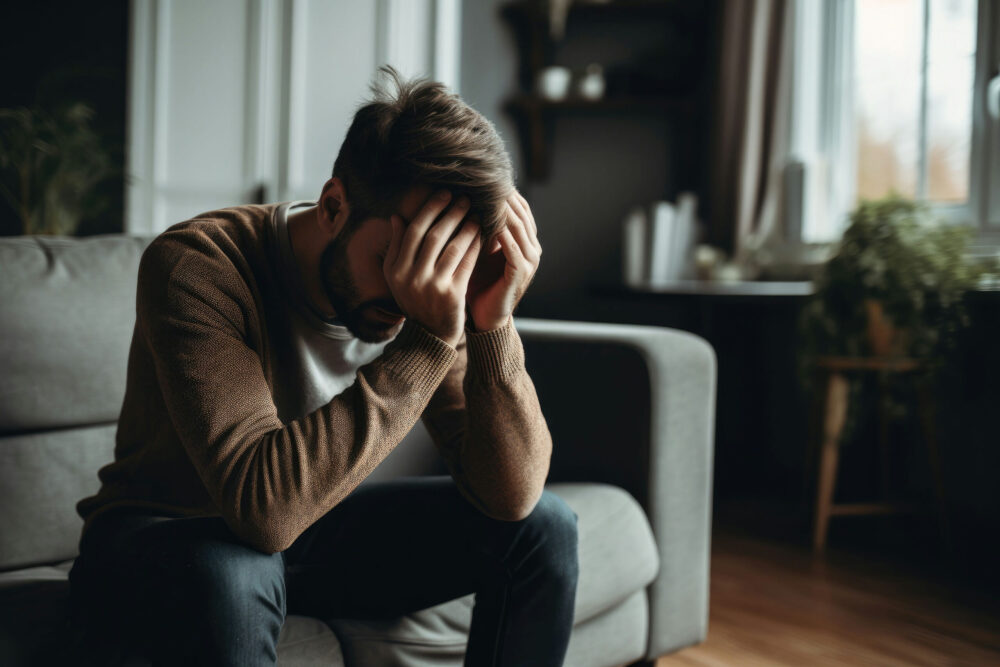
A self-injury treatment center provides structured, therapeutic care through specialized self-harm treatment programs designed to help individuals understand and overcome self-injurious behaviors. These programs are tailored to treat self-harm using a combination of therapeutic approaches, including individual therapy, group therapy, family therapy, and medication management, as part of a comprehensive recovery plan.
Treatment for self-harm typically focuses on:
- Identifying emotional triggers and underlying causes
- Addressing co-occurring mental health conditions
- Replacing harmful behaviors with healthy coping skills
- Building emotional regulation and distress tolerance
- Improving self-esteem and interpersonal relationships
- Providing a safe environment for practicing coping techniques and addressing maladaptive behaviors
At Harmony Hills, we use a combination of evidence-based and holistic therapies to support healing. This may include:
- Cognitive Behavioral Therapy (CBT) to identify and challenge negative thought patterns
- Dialectical Behavior Therapy (DBT), considered especially effective for self-harm
- Eye Movement Desensitization and Reprocessing (EMDR) to process trauma-related memories
- Trauma-informed therapy
- Mindfulness and stress-reduction techniques
- Motivational interviewing to help individuals resolve ambivalence and commit to behavioral changes
The recovery journey is ongoing and unique to each person. Self-harm treatment centers support individuals at every stage, providing hope, effective coping strategies, and a supportive environment for healing.
Family involvement is a key part of the recovery process. Many centers offer dedicated family sessions or programs, such as ‘Family Week,’ to involve each family member in the healing process. Family therapy focuses on rebuilding communication and creating a supportive home environment, helping both the individual and their loved ones understand and support recovery. Aftercare planning is a critical component of self-harm treatment, ensuring continued support and resources after leaving the treatment center.
Why Do People Practice Self-Harm?
Self-harm can affect individuals at any stage of life, but it often begins in adolescence and continues into adulthood if left untreated. Many adults who struggle with self-harm have experienced unresolved trauma, chronic stress, or long-term mental health challenges.
Common contributing factors include:
- Trauma or abuse (past or recent)
- Low self-esteem or feelings of worthlessness
- Difficulty regulating emotions
- Social isolation or loneliness
- Substance misuse
- Underlying mental health conditions
In some cases, self-harm may be a way of coping with overwhelming internal distress when other coping skills feel unavailable. Individuals may seek relief from severe emotional distress or negative feelings by engaging in self-injury, using it as a coping mechanism to alleviate emotional pain. Self-harm is often a response to intense negative feelings and severe emotional distress, which can be warning signs of serious mental health concerns. Additionally, self-harm can cause immense psychological distress that leads to feelings of shame that perpetuate the behavior.
Warning Signs of Self-Harm
If you are concerned about yourself or a loved one, watch for these common signs and symptoms of self-injury:
- Unexplained cuts, burns, bruises, or scars
- Injuries in various stages of healing
- Wearing long sleeves (or concealing clothing in warm weather) to conceal injuries
- Keeping sharp objects nearby
- Blood on clothing, towels, or bedding
- Withdrawal from relationships or activities
- Signs of depression, anxiety, or emotional distress
Recognizing these warning signs early can make a significant difference. Without intervention, self-harm behaviors can result in significant injury, even if no permanent damage is intended. Feelings of guilt or shame after self-harm often lead individuals back to those same behaviors, creating a vicious cycle.
Risks of Self-Harm
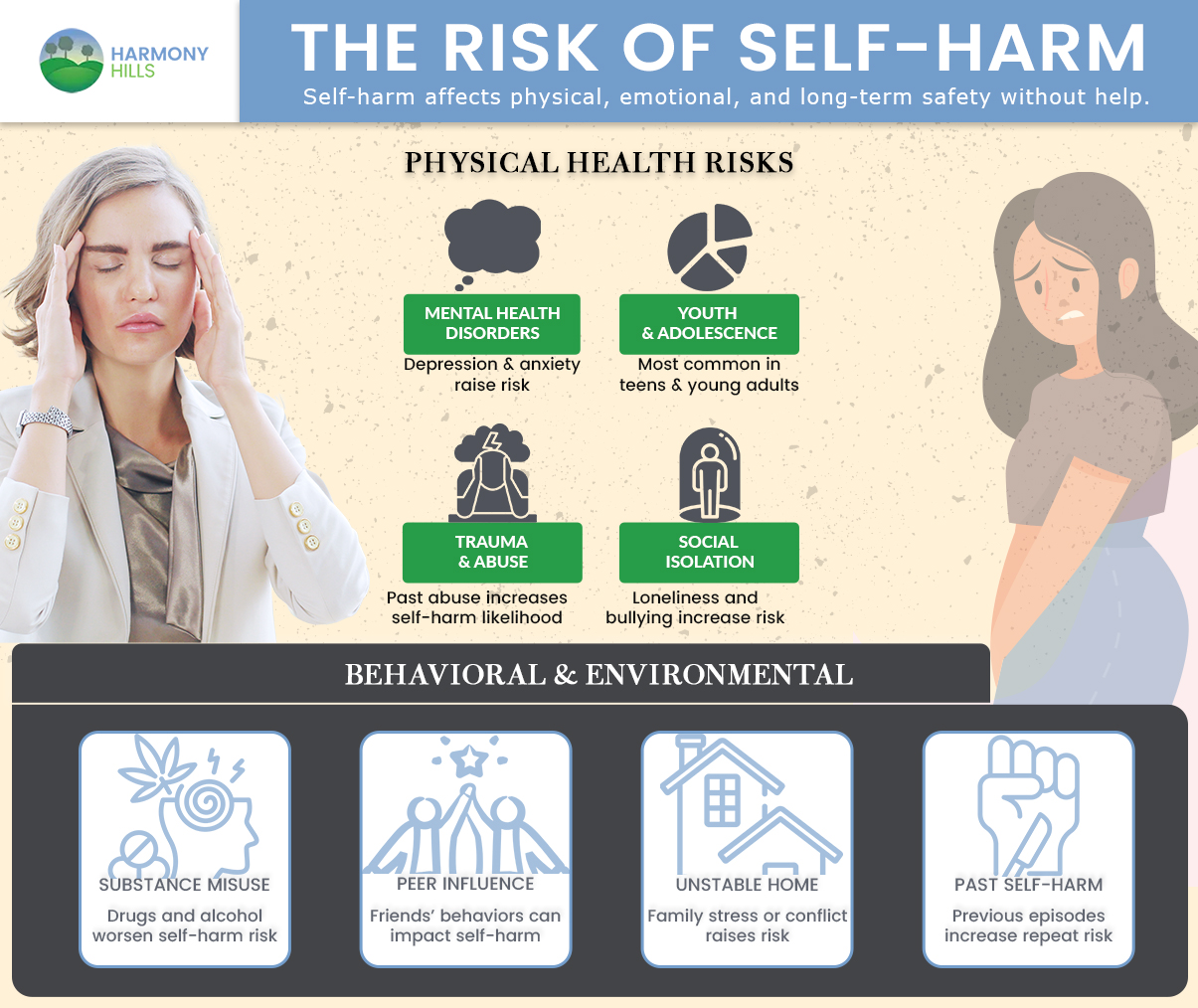
Self-harm is a serious and potentially life-threatening condition. Even when not intended as a suicide attempt, it can inflict permanent damage, including the risk of serious, irreversible harm to the body.
Physical and emotional risks of self-harm can include:
- Infection and wound complications
- Permanent scarring or disfigurement
- Physical consequences such as nerve damage and difficulty healing from future injuries
- Increased mental health symptoms
- Social withdrawal and isolation
- Relationship difficulties
- Substance abuse or addiction
- Escalation of self-injury behaviors
- Increased risk of suicidal thoughts or behaviors
Without proper treatment, self-harm can become a cycle that is difficult to break. Feelings of guilt or shame after self-harm often lead individuals back to the same behaviors, creating a vicious cycle. Professional support is essential for long-term recovery.
Self-Harm Residential Treatment
Choosing inpatient treatment for self-harm offers a highly structured and supportive environment where individuals can focus fully on their recovery journey. Inpatient or residential treatment provides 24/7 care in a structured, safe environment, making it especially beneficial for adults experiencing frequent or severe self-injury, co-occurring disorders, or difficulty managing daily life.
In a residential setting, individuals receive 24/7 support in a safe, therapeutic environment that is free from everyday triggers. Some programs also incorporate creative therapies, such as equine-assisted therapy, to foster emotional growth and trust as part of the recovery journey.
Benefits of residential self-harm treatment include:
- Intensive, structured therapy for deeper healing
- Round-the-clock support and crisis intervention
- A safe space away from triggers and stressors
- Faster progress through immersive care
- Development of essential emotional regulation skills
- Access to holistic therapies such as art therapy, equine therapy, and mindfulness
- Peer support and community connection
- A consistent daily routine that promotes stability and recovery
At Harmony Hills, our self-harm residential treatment program in Florida is designed to help adults break the cycle of self-injury, develop healthier coping strategies, and build a strong foundation for lasting recovery.
When to Seek Help for Self-Harm

If self-harm behaviors are becoming more frequent, severe, or difficult to control, it’s important to seek self-harm treatment from qualified professionals as soon as possible. Recognizing the signs of severe emotional distress (such as persistent thoughts of self-harm or overwhelming emotional pain) means it’s time to reach out for help. You do not have to face this alone.
Consider reaching out if:
- You feel unable to stop self-injuring
- You experience intense emotional distress or severe emotional distress
- You are isolating yourself from others
- You have thoughts of suicide or hopelessness
Getting help early can prevent long-term consequences and support a safer, healthier future.
Immediate help is available by calling or texting the 988 Suicide & Crisis Lifeline 24/7. The 988 Florida Lifeline is also a free, confidential service for those experiencing emotional distress.
Recovery and Support After Treatment
Recovery from self-harm is not a single event, but a lifelong journey that requires ongoing dedication and support. After completing a self-harm treatment program, individuals continue to build on the progress they’ve made by surrounding themselves with a safe and supportive environment and practicing healthy coping mechanisms. It’s important to remember that self-harming behaviors are often symptoms of deeper mental health concerns, and addressing these underlying issues is essential for lasting recovery.
The Importance of a Strong Support System
A strong support system is one of the most valuable resources during this stage. Family members, friends, and support groups can offer encouragement, understanding, and a nonjudgmental space to share experiences. Having people who recognize self-harm warning signs can make it easier to seek help early and prevent relapse. Support groups and community resources also provide opportunities to connect with others who understand the challenges of struggling with self-harm, reducing feelings of isolation.
Continuing Therapy After Self-Harm Treatment
Ongoing therapy and counseling remain crucial after leaving a treatment center. Many individuals benefit from a combination of individual therapy, group therapy, and family therapy to continue working through emotional pain and underlying issues. These therapy treatments focus on building self-awareness, emotional regulation, and practical coping mechanisms for day-to-day life.
Treating Co-Occurring Mental Health Disorders
It’s also common for self-harm to co-occur with other mental health conditions, such as borderline personality disorder or depression. A comprehensive treatment plan should address all co-occurring disorders to ensure the best chance for long-term recovery. This may involve ongoing mental health treatment, medication management, and regular check-ins with a treatment team.
Relapse Prevention and Long-Term Recovery Strategies
Relapse prevention strategies are a key part of maintaining recovery. Identifying personal triggers, practicing new coping skills, and having a clear plan for managing distress can help individuals avoid returning to harmful behaviors. Many find that continued participation in support, process, or psychoeducational groups reinforces healthy coping mechanisms and provides accountability. For some, a rehab center or residential treatment program offers the structure and support needed to solidify these strategies.
Contact Harmony Hills For Help With Self-Harm Today
Ultimately, recovery from self-harm is possible with the right tools, support, and commitment. If you or a loved one is struggling with self-harm, reaching out to a mental health treatment center or a qualified mental health professional is the first step toward healing. Remember, you are not alone — help is available, and a fulfilling, healthy life is within reach.
At Harmony Hills, we are committed to helping adults overcome self-harm with compassionate, evidence-based care. Our team provides the tools, support, and guidance needed to heal both emotionally and physically.
If you or a loved one is struggling with self-harm or self-injury, contact Harmony Hills today to learn more about our self-harm treatment center in Central Florida. You can also fill out our insurance verification form to get started.