

When a loved one begins residential mental health treatment, many families wonder where they fit in. Family therapy is one of the clearest answers. It gives families a guided space to understand what their loved one is going through, talk more openly, and learn how to support one another.
Knowing what to expect from family sessions in residential treatment can make the first one feel less intimidating.
Why Is Family Therapy Part of Residential Treatment?
Mental health conditions rarely affect just one person. They can shape how a family talks, how conflicts play out, and how everyone copes day to day. A family therapy program in mental health treatment makes room to address those effects with the help of a trained therapist.
Family therapy is not about deciding who is at fault. It focuses on understanding, communication, and support, for the person in treatment and for the people who care about them.
“Family” can mean different things. Depending on the situation, sessions may include parents, partners, siblings, adult children, or other close support people your loved one chooses to involve.
What Happens During Family Sessions in Residential Treatment?
Every family is different, so sessions are shaped around each family’s needs. Here are some common areas of focus to help set your family therapy expectations.
Talking More Openly
A therapist helps guide conversations that may have felt too hard to have at home. Family members can share concerns and feelings in a calmer, more structured way, and your loved one has space to share their experience too.
Understanding the Condition
Sessions may include plain-language education about your loved one’s mental health condition, what they have been experiencing, and how treatment works. Understanding more can help replace worry or frustration with empathy.
Noticing Patterns
The therapist may help the family notice habits in how they communicate or respond to stress. Family work is often informed by the same ideas behind CBT and DBT, such as recognizing unhelpful thought patterns and learning to handle strong emotions more calmly.
Practicing New Skills Together
Families may practice practical skills, such as listening without judgment, setting healthy boundaries, and responding to difficult moments in more supportive ways.
Working Through Hard Feelings
Guilt, anger, fear, and grief are common for everyone involved. Family therapy offers a safe place for those feelings to be heard and talked through.
How Can You Prepare for Family Therapy?
You do not need to have the right words ready. A few things can help:
- Come with an open mind. The therapist will guide the conversation.
- Be honest, and be kind. Share how you feel without placing blame.
- Expect some discomfort. Hard conversations can feel uncomfortable, and that is normal.
- Write down questions. Note anything you want to understand about your loved one’s treatment.
- Take care of yourself afterward. Sessions can bring up a lot, so give yourself time to rest.
What Does Family Therapy Look Like at Harmony Hills?
At Harmony Hills, family therapy is part of residential mental health treatment. It helps loved ones understand mental health challenges, rebuild trust, and learn healthy coping skills for the future. Care is trauma-informed and evidence-based, and family work is tailored to each family’s circumstances.
Frequently Asked Questions
Is family therapy required?
Family involvement is tailored to each person and family. The treatment team will talk with you about what makes sense for your situation.
What if our family relationships are strained?
That is common, and it is not a reason to stay away. Therapists approach strained relationships with care and compassion, at a pace that feels manageable.
Can family therapy help when substance use is also involved?
When substance use co-occurs with a mental health condition, family sessions can help loved ones understand both and how they connect. Harmony Hills addresses both through dual diagnosis treatment, with mental health as the primary focus.
Does family support continue after residential treatment?
The treatment team can recommend next steps for family support as your loved one moves into aftercare or other step-down care.
Moving Forward Together
Family therapy gives families a chance to understand each other better and support one another through treatment. If you have questions about family involvement at Harmony Hills, our admissions team is here to help. Call 352-269-9113 or contact us online.
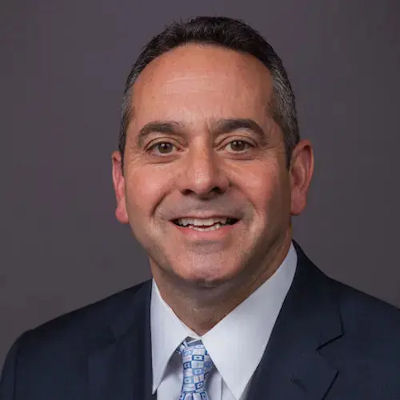
Dr. Eric Kaplan is a board-certified psychiatrist with over three decades of experience in mental health, neurology, and forensic psychiatry. He is recognized for his expertise in treating a wide range of psychiatric conditions, including depression, bipolar disorder, anxiety disorders, substance use disorders, and traumatic brain injuries, as well as for his work in complex psychopharmacology.