

When someone you love is living with both a mental health condition and substance use, it can be hard to know what is happening, let alone how to help. Many families feel confused, worried, or unsure of their role. This guide explains co-occurring conditions in plain language and what mental-health-primary treatment means for your family.
What Does It Mean When Someone Has a Dual Diagnosis?
A dual diagnosis, also called co-occurring disorders, means a person is living with a mental health condition and a substance use disorder at the same time. For example, someone might be living with depression and also drinking heavily, or managing PTSD while misusing prescription medication.
Only a qualified clinician can make a diagnosis. As a family member, your role is not to label what is going on, but to understand that both conditions are real and can affect each other.
How Are Mental Health and Substance Use Connected?
The two often influence each other. For some people, substance use begins as a way to cope with difficult symptoms like anxiety, low mood, or painful memories. For others, substance use can make existing mental health symptoms worse.
This is why it helps to see your loved one as a whole person, not as a problem to fix. Each person’s experience is different, and so is the right treatment plan.
What Does Mental-Health-Primary Treatment Mean for Your Family?
In mental-health-primary treatment, the mental health condition guides the treatment plan. Substance use is addressed alongside it, as part of the bigger picture, rather than as the only focus.
For families, this approach can be reassuring. It means care looks at what may be underneath the substance use, using psychiatric support, medication management when appropriate, and evidence-based therapies such as CBT and DBT. It also means your loved one’s mental health needs are not set aside while substance use is addressed.
How Can Families Offer Dual Diagnosis Family Support?
Co-occurring disorder family support starts with understanding and compassion. You cannot control your loved one’s recovery, but you can make a real difference in how supported they feel.
- Learn about both conditions. Understanding what your loved one is facing can replace frustration with empathy.
- Use respectful language. Talk about your loved one as a person, not as their diagnosis or their substance use.
- Set healthy boundaries. Caring for someone does not mean giving up your own well-being.
- Stay patient. Recovery is not always a straight line, and progress can take time.
- Get support for yourself. Families often need encouragement and education too.
How Can Residential Treatment Help?
When outpatient care is not providing enough support, residential mental health treatment offers structured, around-the-clock care in a therapeutic setting. At Harmony Hills in Central Florida, dual diagnosis treatment addresses both conditions within a mental-health-first framework, with individual and group therapy, psychiatric support, and trauma-informed care.
Families are part of the process too. Family therapy helps loved ones understand both conditions and learn healthy ways to offer support.
Frequently Asked Questions
How do we know whether residential treatment is the right level of care?
A clinical assessment is the best way to find out. Harmony Hills offers a free clinical assessment to help determine the appropriate level of care.
Will insurance cover dual diagnosis treatment?
Coverage varies by plan. Our page on paying for mental health treatment explains the basics, and the admissions team offers free insurance benefits verification.
Can family members be involved?
Yes. Family therapy helps families stay informed and connected, and the admissions team can explain how families take part.
What happens after residential treatment?
Next steps are planned individually and may include a partial hospitalization program, aftercare, and ongoing therapy.
How long does treatment last?
Length of stay varies based on each person’s needs and progress. The treatment team helps determine the right duration.
Finding the Right Support
If someone you love is living with a mental health condition and substance use, you do not have to figure out the next step alone. Our admissions team can answer your questions and talk through options. Call 352-269-9113 to start the conversation.
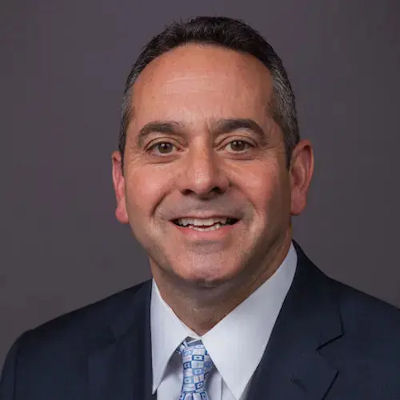
Dr. Eric Kaplan is a board-certified psychiatrist with over three decades of experience in mental health, neurology, and forensic psychiatry. He is recognized for his expertise in treating a wide range of psychiatric conditions, including depression, bipolar disorder, anxiety disorders, substance use disorders, and traumatic brain injuries, as well as for his work in complex psychopharmacology.