

How long residential treatment for mental health lasts is one of the most common questions individuals and families ask when considering care. It is a fair concern. Stepping away from work, school, or daily responsibilities feels overwhelming, and many people worry about committing to an unknown timeline.
The truth is that residential mental health treatment does not follow a single fixed schedule. Treatment length is personalized based on each person’s clinical needs, symptoms, and progress. At Harmony Hills, every individual receives a thorough assessment to build a treatment plan designed around their unique situation, not a generic timeline.
Understanding Residential Mental Health Treatment Programs
Residential mental health treatment provides structured, around-the-clock care for individuals experiencing significant mental health challenges. This level of care goes beyond what outpatient services can offer, giving individuals a safe and supportive environment to focus entirely on healing.
What Is Residential Treatment for Mental Health?
Residential treatment is a live-in program where individuals receive intensive mental health care in a structured setting. Clients have access to psychiatric support, therapy, and wellness services around the clock. This type of program is designed for individuals whose symptoms are severe enough to require more support than weekly therapy sessions can provide. It creates a stable foundation for recovery.
Residential vs. Outpatient Mental Health Care
Outpatient care allows individuals to attend therapy sessions while continuing to live at home. Residential treatment, by contrast, removes individuals from environments that may be contributing to their mental health struggles. This separation allows for deeper therapeutic work, medication stabilization, and consistent support. For many people, residential care is the most effective starting point for lasting recovery.
Key Benefits of 24/7 Residential Support
Around-the-clock care means individuals are never left to manage a crisis alone. Clinical staff are available at all hours to provide support, monitor progress, and adjust care as needed. This level of consistency helps individuals feel safe, which is essential for meaningful therapeutic progress. Safety and stability are the foundation of effective mental health treatment.
Comprehensive Services Offered in Residential Mental Health Programs
Residential programs at Harmony Hills include a full range of evidence-based services, such as:
- Individual therapy
- Group therapy
- Psychiatric care and medication management
- Trauma-informed treatment
- Wellness and holistic therapy
- Family therapy and education
These services work together to address the whole person, not just the symptoms.
How Long Is Residential Treatment for Mental Health?
How long residential treatment for mental health lasts depends on each person’s clinical needs, diagnosis, and recovery goals—there is no single universal answer. Treatment timelines are built around the individual, not a fixed calendar.
Average Length of Stay in Residential Mental Health Treatment
Most residential mental health programs range from 30 to 90 days or longer, depending on individual circumstances. Some individuals may require extended stays of several months to achieve meaningful stabilization. Longer treatment engagement is consistently associated with better outcomes for individuals with serious mental health conditions.
Why the Duration of Residential Treatment Varies for Each Person
No two individuals enter treatment with the same history, diagnosis, or support system. Factors such as symptom severity, trauma history, and medication needs all influence how long a person benefits from residential care. A person experiencing a first mental health crisis may stabilize more quickly than someone with a long history of hospitalizations. Clinical teams continuously evaluate progress to determine the most appropriate length of stay.
Typical Timeframes for Residential Mental Health Programs
Common residential treatment timeframes include:
- Short-term stays: 30 days, often used for stabilization
- Mid-length stays: 60 days, allowing for deeper therapeutic work
- Extended stays: 90 days or more, recommended for complex or co-occurring conditions
These timeframes are guidelines, not guarantees. The clinical team at Harmony Hills works with each individual to determine the most appropriate duration.
Factors That Affect How Long Residential Mental Health Treatment Lasts
Several clinical and personal factors influence the length of residential mental health treatment. Understanding these factors helps individuals and families set realistic expectations and trust the process.
Impact of Mental Health Diagnosis and Symptom Severity
More severe symptoms typically require longer periods of stabilization and therapeutic intervention. Conditions such as bipolar disorder, schizophrenia, or severe depression may require extended care to achieve meaningful progress. A thorough clinical assessment at admission helps the treatment team understand the full scope of an individual’s needs and plan accordingly.
Co-Occurring Disorders, Medication, and Dual Diagnosis Needs
Many individuals entering residential treatment have co-occurring conditions, meaning they are managing more than one mental health diagnosis simultaneously. Dual diagnosis treatment requires additional time to address each condition effectively. Medication stabilization can also extend the length of stay, as finding the right medication and dosage requires time and careful monitoring.
Role of Family Support and Home Environment
A strong, supportive home environment can positively influence discharge readiness. When family members are engaged in the treatment process, individuals often transition out of residential care more successfully. Conversely, a chaotic or unsupportive home environment may indicate the need for a longer stay or a step-down level of care before returning home.
Progress, Engagement, and Response to Treatment
Active participation in therapy and treatment activities plays a significant role in recovery outcomes. Individuals who engage consistently with their treatment plan tend to make faster and more sustainable progress. Clinical teams monitor engagement and therapeutic response throughout the stay, adjusting the plan as needed to support continued growth.
What to Expect During Residential Mental Health Treatment

Knowing what happens during residential treatment can ease anxiety and help individuals feel more prepared. The process is structured, compassionate, and designed to support healing at every stage.
Admissions Process and Initial Mental Health Assessment
The admissions process begins with a comprehensive mental health assessment. This evaluation helps the clinical team understand the individual’s history, current symptoms, and treatment goals. A personalized treatment plan is developed based on this assessment before or shortly after arrival, guiding all aspects of care throughout the stay.
Stabilization Phase and Early Support Services
The first phase of residential treatment focuses on stabilization. This may involve medication adjustments, crisis support, and building a sense of safety within the treatment environment.
During this phase, individuals begin to establish trust with their care team and settle into the daily structure of the program.
Therapeutic Interventions, Counseling, and Skill-Building
Once stabilized, individuals engage in active therapeutic work. This includes individual therapy, group sessions, and skill-building activities focused on emotional regulation, coping strategies, and self-awareness. Evidence-based approaches such as cognitive behavioral therapy (CBT) and dialectical behavior therapy (DBT) are commonly used to address a wide range of mental health conditions.
Family Involvement, Support, and Discharge Planning
Family involvement is an important part of the residential treatment process at Harmony Hills. Family therapy sessions and education help loved ones understand mental health challenges and learn how to provide meaningful support. Discharge planning begins well before the end of treatment, ensuring a smooth transition to the next level of care and reducing the risk of crisis after leaving residential treatment.
Why Longer Residential Treatment for Mental Health Can Improve Outcomes
Research consistently shows that longer engagement in treatment is linked to better long-term outcomes. Leaving treatment before clinical goals are met increases the risk of relapse or crisis.
Achieving Stabilization and Ensuring Safety
Stabilization is not always a quick process. For individuals with complex mental health histories, it may take several weeks before symptoms are managed well enough to begin deeper therapeutic work.
Leaving treatment before stabilization is complete can leave individuals vulnerable to crisis. Staying the recommended length of time helps ensure a safer, more supported transition back to daily life.
Developing Healthy Routines and Lasting Coping Skills
Residential treatment provides the time and structure needed to build new habits. Daily routines, therapeutic activities, and wellness practices become tools individuals carry with them after discharge.
These skills are most effective when practiced consistently over time—which is one reason longer stays often produce more durable results.
Addressing Trauma, Triggers, and Emotional Patterns
Many mental health conditions are rooted in unresolved trauma or deeply ingrained emotional patterns. Addressing these underlying issues takes time and cannot be rushed without risking incomplete healing.
Longer residential stays allow therapists to work through these layers carefully and thoroughly, reducing the likelihood of future mental health crises.
Lowering the Risk of Relapse or Mental Health Crisis
Individuals who complete a full course of recommended treatment are more likely to maintain stability after discharge. Premature discharge is one of the most common risk factors for relapse. Completing the full recommended length of residential treatment gives individuals the strongest possible foundation for long-term mental wellness.
Can You Leave Residential Mental Health Treatment Early?
Residential mental health treatment at Harmony Hills is voluntary, meaning individuals have the right to leave at any time. However, leaving before the clinical team recommends discharge carries real risks that are important to understand.
Voluntary Discharge vs. Clinically Recommended Discharge
Voluntary discharge means an individual chooses to leave treatment before the clinical team has determined they are ready. Clinically recommended discharge occurs when the treatment team agrees that the individual has met their treatment goals and is prepared to transition to a lower level of care.
The difference between these two outcomes can significantly affect long-term recovery.
Clinical Considerations, Risks, and Consequences
Leaving residential treatment early may mean departing before medication has been fully stabilized or before key therapeutic goals have been addressed. This can increase the risk of symptom relapse, hospitalization, or mental health crisis. The clinical team at Harmony Hills will always discuss these risks openly and honestly with individuals who are considering early discharge.
Importance of Open Communication with Your Treatment Team
If an individual feels ready to leave or is struggling with the treatment process, the most important step is to talk with the treatment team. Concerns about length of stay, home responsibilities, or treatment progress can often be addressed without leaving prematurely. Open communication allows the team to adjust the plan and find solutions that support both the individual’s well-being and their real-world needs.
How Harmony Hills Creates Individualized Residential Treatment Plans
At Harmony Hills, no two treatment plans look the same. Every individual who enters residential care receives a personalized plan built around their specific diagnosis, history, and goals.
Personalized Assessments and Flexible Treatment Recommendations
The admissions process includes a thorough clinical assessment that informs every aspect of the treatment plan. This assessment is revisited regularly throughout the stay to ensure the plan continues to meet the individual’s evolving needs. Flexibility is a core part of the Harmony Hills approach. Treatment recommendations are adjusted as progress is made or new clinical needs emerge.
Evidence-Based, Compassionate Mental Health Care
Harmony Hills uses evidence-based therapeutic approaches proven to support recovery from a wide range of mental health conditions. These include CBT, DBT, trauma-informed care, and psychiatric support. Compassion is at the center of everything. Every individual is treated with dignity, respect, and genuine care throughout their time in treatment.
Supporting Families Throughout the Recovery Process
Harmony Hills recognizes that mental health challenges affect the entire family, not just the individual in treatment. Family members are encouraged to participate in therapy sessions, educational programs, and discharge planning. This involvement strengthens the support system that individuals return to after completing residential care.
Focus on Long-Term Healing, Stability, and Success
The goal of residential treatment at Harmony Hills is not simply to manage symptoms in the short term. The focus is on building the skills, insight, and support systems needed for lasting mental wellness.
Every treatment decision is made with long-term healing in mind.
Start Residential Mental Health Treatment at Harmony Hills

Taking the first step toward residential mental health treatment is one of the most important decisions a person can make. Harmony Hills is here to guide individuals and families through every part of that process.
How to Begin the Admissions Process for Residential Treatment
Starting treatment at Harmony Hills begins with a simple phone call or online inquiry. The admissions team will gather basic information, answer questions, and schedule a clinical assessment. The process is designed to be straightforward and supportive, removing as many barriers as possible to getting help quickly.
Insurance Verification, Coverage, and Financial Guidance
Harmony Hills works with many insurance providers to help make residential mental health treatment accessible. The admissions team can verify insurance coverage and walk individuals and families through their financial options. Cost should never be a barrier to getting the care you need—the admissions team is ready to help you understand your options.
Encouragement and Support for Taking the First Step Toward Help
Reaching out for help takes courage. Harmony Hills honors that courage by providing a warm, nonjudgmental environment where individuals can begin their journey toward healing.
Recovery is possible, and it starts with one step. Contact Harmony Hills today to get started.
Frequently Asked Questions About Residential Mental Health Treatment
The length of residential treatment at Harmony Hills varies based on each individual’s clinical needs and progress. Most stays range from 30 to 90 days or longer, depending on diagnosis, symptom severity, and treatment goals. A clinical assessment at admission helps determine the most appropriate timeline.
Key factors include symptom severity, co-occurring diagnoses, medication stabilization needs, trauma history, and the individual’s engagement in treatment. The home environment and available support system also play a role in determining the appropriate length of stay.
Yes—family involvement is actively encouraged at Harmony Hills. Visits, family therapy sessions, and educational programming are available to help loved ones stay connected and prepared to support recovery after discharge.
Individuals in voluntary residential treatment have the right to leave at any time. However, leaving before the clinical team recommends discharge can increase the risk of relapse or crisis. The treatment team will discuss these risks openly and work to address any concerns before a decision is made.
After completing residential treatment, individuals may transition to a partial hospitalization program (PHP), intensive outpatient program (IOP), or standard outpatient therapy. Medication management, support groups, and continued family support are also available to help maintain long-term stability.
Residential treatment is typically recommended when symptoms are severe enough to require 24/7 support, when outpatient care has not been effective, or when safety is a concern. A clinical assessment at Harmony Hills can help determine the most appropriate level of care.
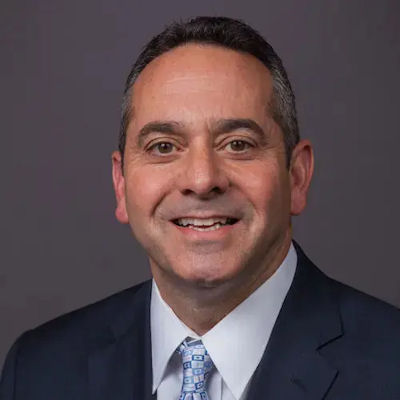
Dr. Eric Kaplan is a board-certified psychiatrist with over three decades of experience in mental health, neurology, and forensic psychiatry. He is recognized for his expertise in treating a wide range of psychiatric conditions, including depression, bipolar disorder, anxiety disorders, substance use disorders, and traumatic brain injuries, as well as for his work in complex psychopharmacology.