

When it comes to overcoming addiction and managing mental health challenges, lasting recovery depends on more than willpower. It requires practical tools, a clear framework, and strategies that work in real life, not just in theory. SMART Recovery offers exactly that: a structured, evidence-based program built around self-management, behavioral science, and genuine empowerment.
At Harmony Hills in Central Florida, a trusted option for those searching for a residential mental health facility near me, SMART Recovery tools are integrated into a comprehensive treatment approach that helps clients manage urges, challenge unhealthy thought patterns, and build a fulfilling life in recovery. This guide takes a closer look at these tools, how they work, and why they are an important part of the recovery process.
What Are SMART Recovery Tools?
SMART Recovery stands for Self-Management and Recovery Training. Unlike approaches that emphasize powerlessness or lifelong identity as an addict, SMART Recovery is grounded in the belief that people can develop the skills to change their behavior and sustain that change over time.
SMART Recovery’s four-point program addresses building and maintaining motivation, coping with cravings and urges, problem-solving, and lifestyle balance, with tools and techniques informed by evidence-based principles, including cognitive behavioral therapy (CBT) and motivational interviewing.
Each point in the program comes with a set of practical tools that clients can learn, practice, and apply both in treatment and in everyday life. These tools are not abstract concepts. They are structured exercises, worksheets, and frameworks that build real cognitive and behavioral skills over time.
SMART Recovery Tools for Building and Maintaining Motivation
One of the earliest and most important challenges in recovery is finding and holding onto a reason to change. SMART Recovery addresses this directly with tools designed to clarify values, identify goals, and sustain motivation through the inevitable difficulties of early recovery. Some of these tools include:
- The Cost-Benefit Analysis (CBA): This is one of the foundational SMART tools. Clients list the short-term and long-term costs and benefits of both continuing a behavior and changing it to externalize internal ambivalence, making it easier to identify what truly matters and why change is worth pursuing.
- Change Plan: The Change Plan helps clients move from intention to action. By defining specific goals, potential obstacles, available resources, and concrete next steps, the Change Plan transforms motivation from a feeling into a roadmap.
- Hierarchy of Values (HOV): This tool prompts clients to identify their most deeply held values and examine whether their current behaviors align with those values. The gap between what someone values most and how they are currently living can be a powerful motivator for change that holds up over time.
At Harmony Hills, these motivation-building tools are woven into both individual and group therapy as part of a broader dual diagnosis treatment program designed to address the full picture of each client’s mental health and recovery needs.
SMART Recovery Tools for Coping with Urges and Cravings

Urges and cravings are a normal part of recovery. SMART Recovery does not ask clients to simply resist them or wait them out. Instead, it equips clients with specific tools to actively manage cravings when they arise.
- Urge Surfing: Urge surfing teaches clients to observe a craving without acting on it, using mindfulness to ride the wave of discomfort rather than being swept under by it. Clients practice noticing the urge, tracking its intensity, and recognizing that it will naturally peak and subside without requiring action.
- The DISARM Tool: DISARM stands for Destructive Imagery and Self-talk Awareness and Refusal Method. It helps clients recognize the internal voice that justifies or encourages substance use, label it as the “addictive voice,” and actively refute it with rational counterarguments. By naming and challenging that voice, clients begin to separate themselves from it.
- Play the Tape Through: This exercise asks clients to mentally follow a craving all the way to its logical end, playing out not just the momentary relief of using but the full sequence of consequences that follow. This cognitive exercise disrupts the tunnel vision that cravings create and reconnects clients with the bigger picture of why they are in recovery.
These coping tools are particularly relevant within Harmony Hills’ individual therapy program, where the relationship between thoughts, feelings, and behaviors is addressed directly and practically in every session.
SMART Recovery Tools for Managing Thoughts, Feelings, and Behaviors
A central premise of SMART Recovery is that thoughts, feelings, and behaviors are deeply interconnected and that changing one can shift the others. The tools in this category are grounded in CBT and rational emotive behavior therapy (REBT).
- ABCs: The ABC Tool is derived from REBT and stands for Activating event, Beliefs, and Consequences. When clients experience emotional distress, the ABC framework helps them identify not just what happened, but what they believed about what happened, and how those beliefs produced their emotional and behavioral response. This process reveals that it is often not the event itself but the interpretation of the event that causes suffering, and that interpretations can be changed.
- Unconditional Self-Acceptance (USA): This is a core philosophical principle of SMART Recovery that also functions as a practical tool. Rather than tying self-worth to performance, outcomes, or what others think, USA teaches clients to accept themselves as fallible human beings capable of growth, without judgment or shame. For people whose substance use has been deeply tied to shame and self-criticism, this tool can be transformative.
- Problem Solving: This skill in SMART Recovery is a structured process that moves clients from defining a problem clearly to generating possible solutions, evaluating each option, selecting the most viable one, implementing it, and reviewing the outcome. This methodical approach builds confidence and competence in navigating the challenges of recovery without resorting to avoidance or substances.
SMART Recovery Tools for Living a Balanced Life
Long-term recovery is not just about stopping a behavior. It is about building a life that is worth living without substances. SMART Recovery’s fourth point addresses lifestyle balance directly, helping clients create meaning, structure, and satisfaction in their daily lives.
- The Lifestyle Balance Pie: This is a visual tool that helps clients assess how they are spending their time and energy across key life areas, including work, relationships, health, leisure, and personal growth. Identifying areas of imbalance provides a starting point for intentional change.
- My SMART Plan: My SMART Plan is a personalized recovery plan that consolidates a client’s goals, coping strategies, support resources, and action steps into a single, accessible document. It serves as both a guide and a reference point that clients can return to when motivation dips or challenges arise.
- Positive Experiences and Activities: Clients work with their treatment team to identify and schedule activities that bring genuine satisfaction and meaning, counteracting the reward void that often accompanies early recovery and reducing the pull of old behaviors.
These lifestyle tools complement the work done in Harmony Hills’ dialectical behavior therapy program, which similarly emphasizes building a life worth living as central to sustainable mental health and recovery.
How SMART Recovery Tools Support Mental Health

SMART Recovery was developed primarily for addiction, but its tools are deeply relevant to mental health treatment. The cognitive tools that address irrational beliefs and self-defeating thought patterns are directly applicable to anxiety, depression, and trauma. The motivation tools support clients who struggle with the low energy and hopelessness that often accompany mood disorders. The lifestyle balance tools help clients with mental health challenges build the
At Harmony Hills, mental health treatment is never siloed from addiction care. The SMART tools used in treatment are selected and applied with an understanding of the whole person, including the mental health conditions, trauma histories, and life circumstances that shape each client’s recovery journey.
How to Use SMART Recovery Tools in Everyday Life
One of the defining strengths of SMART Recovery is that its tools are designed to be used outside of sessions, not just within them. Clients are encouraged to practice and apply these tools in real-world situations, building the skill and confidence to manage challenges as they arise in daily life.
There are many practical ways clients integrate SMART tools into everyday life. For example, clients can complete a Cost-Benefit Analysis when temptation is strongest, before making a decision, rather than after. You can use the ABC Tool to process a frustrating interaction at work before reacting. Applying the Urge Surfing tool during a craving while driving home from a difficult day can help sustain recovery.
The regularity of practice matters. Like any skill, the SMART tools become more effective and more instinctive the more consistently they are used. Treatment at Harmony Hills is designed to give clients repeated, supported opportunities to practice these tools in a structured environment before applying them independently.
SMART Recovery Tools at Harmony Hills
Harmony Hills is a mental health and addiction treatment center in Central Florida offering residential care, dual diagnosis programs, and a full spectrum of evidence-based therapies. SMART Recovery tools are incorporated into the Harmony Hills treatment model as part of a broader commitment to practical, science-driven care that prepares clients for real life.
The relapse prevention program at Harmony Hills draws directly on the kind of practical, forward-looking strategies that SMART Recovery is built around: identifying high-risk situations, building coping plans, and developing the self-awareness to recognize warning signs before a relapse occurs.
Whether you are navigating addiction, mental health challenges, or both, the SMART Recovery tools available through Harmony Hills give you a concrete, empowering framework for change. Recovery is not about following a script someone else wrote. It is about developing your own capacity to manage your thoughts, your choices, and your life.
If you are ready to take that step, Harmony Hills is here to help you build the skills and the support system to make it last. Contact the Harmony Hills team today to learn more about how SMART Recovery tools are integrated into treatment and to find out which program is the right fit for you.
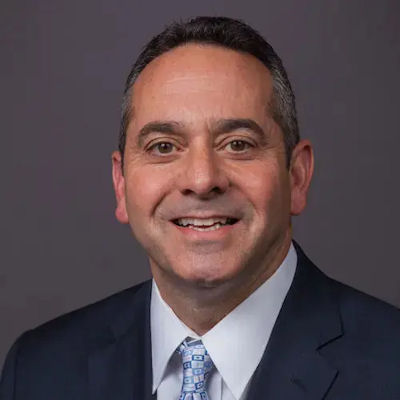
Dr. Eric Kaplan is a board-certified psychiatrist with over three decades of experience in mental health, neurology, and forensic psychiatry. He is recognized for his expertise in treating a wide range of psychiatric conditions, including depression, bipolar disorder, anxiety disorders, substance use disorders, and traumatic brain injuries, as well as for his work in complex psychopharmacology.