

Trauma doesn’t just fade when the threat is gone. It rewires how your brain responds to the world. For many people, “PTSD” is familiar, a condition often associated with survivors of singular, terrifying events. But there’s another trauma response often overlooked: Complex PTSD (CPTSD). It comes from different circumstances and requires a different path to healing.
Living with trauma’s aftermath can feel isolating. A person might struggle with relationships or emotional regulation. These struggles may not fit the standard description of PTSD. Knowing the difference between CPTSD and PTSD can help a person make sense of their experience and find support that fits their needs.
At Harmony Hills, we believe every person’s journey through trauma is unique. Whether you’re dealing with a single event’s impact or years of distress, recovery is possible. This guide will help you understand the differences between these conditions and how specialized treatment can help you reclaim your sense of self.
How Are CPTSD and PTSD Understood?
PTSD and CPTSD both come from trauma, but they’re not the same. The biggest difference is what kind of trauma you experienced and how deeply it shaped who you are.
PTSD is typically associated with a specific, single incident, such as a car accident, natural disaster, or singular assault. The brain struggles to process this shocking event, leading to symptoms revolving around that specific memory.
CPTSD results from prolonged, repeated trauma from which there was often no escape. This frequently occurs during childhood or in situations of domestic violence or captivity. Because the trauma was ongoing, the brain’s development and sense of self were fundamentally altered.
Key distinctions include:
- Duration of Trauma: PTSD links to short-term events; CPTSD links to chronic, long-term exposure.
- Impact on Identity: CPTSD includes severe issues with self-worth and emotional regulation, not always present in standard PTSD.
- Relational Safety: CPTSD often stems from trauma inflicted by caregivers, deeply damaging the ability to trust others.
What Is PTSD?
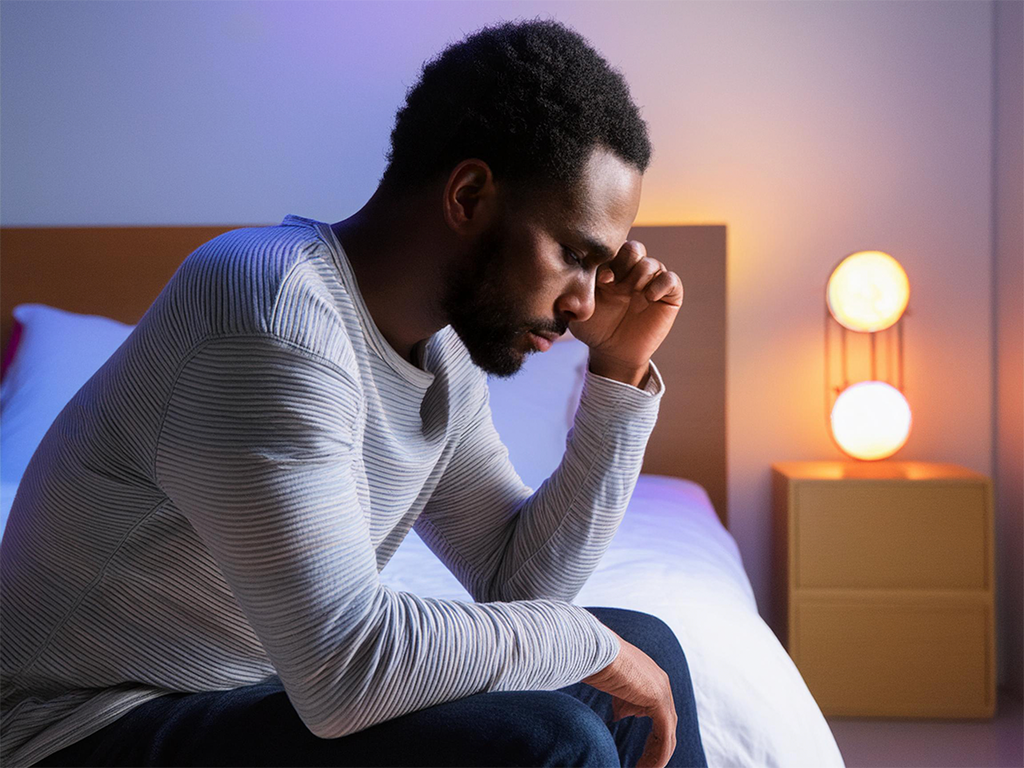
PTSD can develop after you live through or see something life-threatening. According to the National Institute of Mental Health, approximately 8% of adults in the United States will experience PTSD at some point. It’s your body’s alarm system stuck in the ‘on’ position.
PTSD isn’t just for combat veterans. It can happen to anyone, at any age, when the brain’s alarm system remains active, causing you to react to safe situations as if they were dangerous.
Re-experiencing Symptoms
With PTSD, the past crashes into your present without warning. You may feel as though you’re reliving the traumatic event through flashbacks, nightmares, or frightening thoughts. Physical reactivity, like sweating or a racing heart when reminded of the event, is common. These symptoms can be triggered by anything your brain links to the original danger.
Avoidance Symptoms
When re-experiencing becomes too much, people often start avoiding anything that reminds them of trauma. You might stay away from places, events, or objects that trigger memories. This extends to thoughts and feelings—pushing away memories or refusing to talk about what happened. Over time, emotional numbness sets in.
Hyperarousal Symptoms
Hyperarousal means you’re always on guard. Unlike flashbacks that come from triggers, hyperarousal is constant. You constantly scan for threats, startle easily, and struggle with sleep. These symptoms make concentrating on daily tasks difficult and often lead to irritability.
What Is CPTSD (Complex PTSD)?
Complex PTSD develops from repeated trauma over time, usually involving other people, and often requires specialized PTSD treatment that addresses long-term emotional and psychological effects. Unlike PTSD from one terrible event, CPTSD builds up over months or years of inescapable trauma. Common causes include severe childhood abuse, long-term domestic violence, or human trafficking.
When trauma happens during childhood or in relationships that should be safe, it changes who you are at the deepest level. In addition to classic PTSD symptoms, CPTSD includes “disturbances in self-organization.”
Emotional Dysregulation
With CPTSD, managing emotions can feel impossible. It’s not just sadness or anger—it’s emotions so overwhelming you can’t control them. This includes explosive anger, persistent sadness, and emotional numbing that alternates with intense pain. Your brain adapted to survive constant danger by developing extreme emotional responses.
Negative Self-Concept
A core CPTSD struggle is how you see yourself—often deeply, painfully negative. You may experience toxic shame (feeling fundamentally flawed), guilt (believing trauma was your fault), and helplessness. These beliefs usually come from what abusers said, becoming how you see everything about yourself.
Interpersonal Difficulties
When trauma happens in relationships, trusting others becomes incredibly hard. You might swing between desperately wanting connection and being terrified of it. This leads to isolation, distrust, and difficulty maintaining healthy relationships.
What Are the Key Differences Between CPTSD and PTSD?
CPTSD and PTSD share trauma biology, but their differences matter for treatment. CPTSD shows up just as often as PTSD in treatment settings but tends to disrupt daily life more because of added struggles with self-worth and relationships.
Type of Trauma Exposure
| Feature | PTSD | CPTSD |
| Primary Cause | Single-incident trauma (e.g., accident, assault). | Repeated, prolonged trauma (e.g., childhood abuse, captivity). |
| Escape Factor | The event was typically sudden and unexpected. | The victim was often unable to escape. |
| Onset | Can develop at any age after an event. | Often rooted in childhood or long-term abuse. |
Symptom Complexity and Severity
Both conditions involve re-experiencing, avoidance, and hyperarousal. But CPTSD adds three more layers impacting every part of who you are: emotional dysregulation, negative self-concept, and relationship difficulties.
People with CPTSD report much lower life satisfaction and sense of meaning than those with PTSD alone. The burden of feeling “broken” adds suffering requiring specific therapeutic attention.
Impact on Daily Functioning
CPTSD affects personality and emotional handling, disrupting daily life more severely. While someone with PTSD might struggle with specific triggers, someone with CPTSD might struggle to hold jobs due to emotional volatility or maintain friendships due to severe trust issues. People with CPTSD are more likely to struggle with depression, anxiety, and substance use.
Shared Symptoms of PTSD and CPTSD
Despite differences, CPTSD and PTSD share common ground in your brain’s survival instincts. Both include intrusive memories, avoidance, hyperarousal, and mood changes that make the world seem dangerous. Because symptoms overlap, professional assessment is crucial for accurate diagnosis.
How CPTSD and PTSD are Diagnosed
Getting the right diagnosis is the foundation of effective treatment. PTSD is in the DSM-5 (US manual), while CPTSD is in the ICD-11 (international version). In the US, clinicians may diagnose CPTSD as “PTSD with associated features” or sometimes misdiagnose it as Borderline Personality Disorder.
Professional Assessment Process
At Harmony Hills, our team conducts thorough assessments involving detailed trauma history, symptom review (including self-view and relationships), and functional analysis of life impacts.
Diagnostic Criteria Differences
To be diagnosed with CPTSD, you must meet all PTSD criteria plus show additional struggles with self-worth and relationships. Recognizing these “plus” symptoms is critical because treating CPTSD with standard PTSD protocols alone may not address deep-seated shame or relational wounds.
How Trauma Affects the Brain and Nervous System
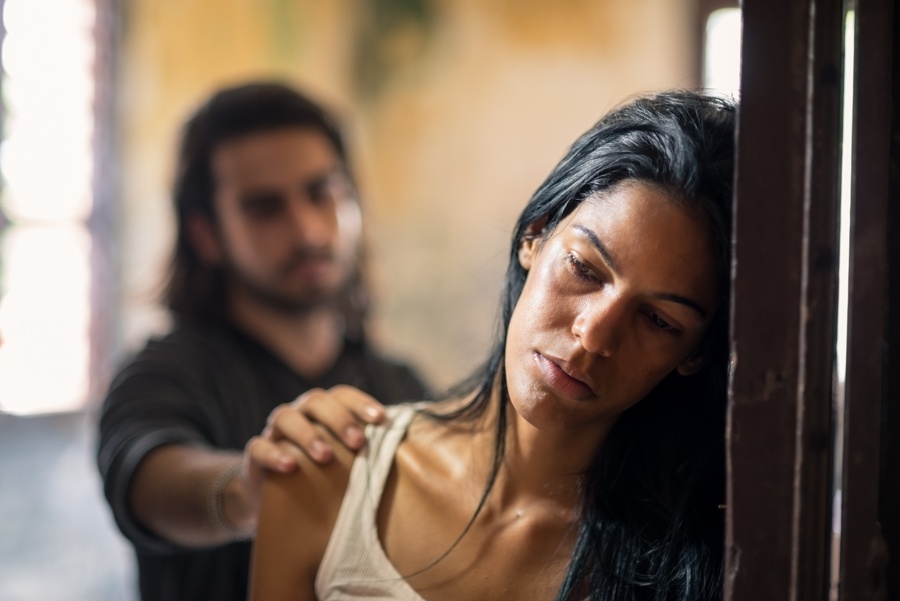
Trauma is not just “in your head”—it’s physiological. With CPTSD, brain changes can run deeper, especially when trauma happened during childhood.
Neurobiological Changes in Trauma
The amygdala (the brain’s smoke detector) goes into overdrive, signaling danger even when safe. The hippocampus can shrink, making it hard to distinguish past trauma from present. The prefrontal cortex (rational brain) reduces activity, making it hard to regulate fear signals.
Memory and Emotional Processing Impact
In CPTSD, the connection between the rational and emotional brain is severely disrupted. That’s why you can know you’re safe, but your body still panics. Dissociation is more common in CPTSD—it helped you survive prolonged abuse, but now makes staying present difficult.
Effective Treatment Options for CPTSD and PTSD at Harmony Hills
Recovery needs an approach fitting your condition’s complexity. Standard therapies work well for PTSD, but CPTSD usually needs a step-by-step approach.
Evidence-Based Therapies
Several therapies work well for PTSD symptoms:
- Cognitive Behavioral Therapy (CBT): Helps identify and change negative thought patterns.
- Eye Movement Desensitization and Reprocessing (EMDR): Uses bilateral stimulation to help process stuck traumatic memories.
- Cognitive Processing Therapy (CPT): Challenges unhelpful beliefs about why trauma occurred.
Phase-Based Treatment for CPTSD
Phase-based approaches outperform single-phase therapies for CPTSD. Jumping straight into trauma memories can retraumatize you when you’re dealing with emotional instability:
- Safety and Stabilization: Teaching emotional regulation and grounding techniques.
- Trauma Processing: Using EMDR or exposure therapy once stability is achieved.
- Integration: Reconnecting with daily life and rebuilding relationships.
Holistic Treatment Approaches
We treat the whole person. Our programs include mindfulness, somatic therapies, and family therapy to support the nervous system and repair relational bonds. Our Heroes Program offers veterans specialized care addressing combat PTSD and complex trauma.
CPTSD vs. PTSD: Which Treatment Path Is Best?
The right care level depends on symptom severity and current support.
Residential vs Outpatient Treatment
Residential treatment is often recommended for CPTSD or severe PTSD, especially with substance use or daily functioning struggles. It provides a safe, structured space for complete healing focus. Outpatient therapy can work for PTSD from a single event or after completing residential programs.
Family Therapy Integration
Trauma affects the whole family. CPTSD creates deep relationship wounds, so family therapy can make a huge difference—helping loved ones see behaviors as trauma symptoms, not personal attacks.
How Harmony Hills Supports Trauma Recovery
Recovery from CPTSD or PTSD isn’t a straight line, but it’s absolutely possible. With proper treatment, your brain can heal, your alarm system can calm down, and your sense of self can come back together.
At Harmony Hills, our team provides compassionate, trauma-informed care. We create a safe, judgment-free space where you can heal at your own pace.
How to Get Help at Harmony Hills

If you see signs of PTSD or CPTSD in yourself or someone you love, you don’t have to face it alone. Harmony Hills is in Florida, in a peaceful setting built for healing. Our admissions team can answer questions, check insurance, and help you figure out your best next step. Contact Harmony Hills today to start your journey toward lasting wellness.
Frequently Asked Questions About CPTSD and PTSD
Can someone have both PTSD and CPTSD at the same time?
You can’t be diagnosed with both because CPTSD already includes PTSD. A clinician will diagnose whichever condition best captures your full symptom scope.
How long does CPTSD treatment typically take compared to PTSD treatment?
CPTSD treatment often takes longer. While PTSD from a single event might respond to focused therapy in months, CPTSD involves unlearning deep-seated survival patterns—a process that can take years. The phase-based approach ensures safety before deep trauma work begins.
Is CPTSD covered by insurance like PTSD?
Because CPTSD isn’t yet in the DSM-5, it’s often billed under PTSD or related diagnoses. However, most insurance plans cover treatment modalities used for CPTSD. Verify your specific benefits with the treatment center.
What can family members do to support someone with CPTSD or PTSD?
Educate yourself about trauma triggers and avoid taking emotional outbursts personally. Create a predictable, safe environment. Family therapy provides tools for better communication and helps rebuild trust.
Can CPTSD develop from adult trauma or only childhood experiences?
While frequently associated with childhood abuse, CPTSD can develop in adulthood from prolonged captivity, trafficking, domestic violence, or repeated combat exposure. The key factor is prolonged, inescapable trauma, not age.
References
https://www.nimh.nih.gov/health/topics/post-traumatic-stress-disorder-ptsd
Dr. Eric Kaplan is a board-certified psychiatrist with over three decades of experience in mental health, neurology, and forensic psychiatry. He is recognized for his expertise in treating a wide range of psychiatric conditions, including depression, bipolar disorder, anxiety disorders, substance use disorders, and traumatic brain injuries, as well as for his work in complex psychopharmacology.