

Deciding whether someone needs residential mental health treatment can feel overwhelming, especially when symptoms have been building for a long time. Many individuals and families struggle to know when outpatient therapy or medication management is no longer enough to provide real stability. Residential treatment offers structured, around-the-clock support for people experiencing significant mental health challenges that cannot be safely managed at home.
Understanding when residential treatment is necessary is an important step toward getting the right level of care. When symptoms begin to interfere with daily life, relationships, or personal safety, a higher level of support may be the most compassionate and effective choice. Harmony Hills is committed to helping individuals and families navigate this decision with clarity, care, and confidence. Learning more about residential mental health treatment options can help families take that first important step.
Understanding Residential Mental Health Treatment
Residential mental health treatment provides intensive, structured care for individuals whose symptoms require more support than weekly therapy can offer. This level of care is specifically focused on mental health, not addiction-only treatment, and is designed to help people stabilize, heal, and build lasting coping skills.
What Is Residential Treatment for Mental Health?
Residential treatment is a live-in program where individuals receive comprehensive mental health care in a safe, supervised setting. Clients stay at the facility full-time while receiving therapy, psychiatric support, and structured daily programming tailored to their needs. This type of care is appropriate for people experiencing moderate to severe mental health symptoms that are disrupting their ability to function. It provides a focused healing environment away from everyday stressors.
How Does Residential Treatment Differ From Outpatient Care?
Outpatient care allows individuals to attend therapy sessions while continuing to live at home, which works well for mild to moderate symptoms. Residential treatment, by contrast, provides continuous support and removes individuals from environments that may be contributing to their struggles. The key difference is intensity. Residential programs offer daily therapy, psychiatric monitoring, and peer support in a structured setting that outpatient care cannot replicate.
Core Services Offered in Residential Mental Health Programs
Residential mental health programs typically include a range of evidence-based services designed to address the whole person. Common services include:
- Individual therapy
- Group counseling
- Psychiatric evaluation and medication management
- Trauma-informed care
- Holistic wellness activities
- Family therapy and education
- Discharge planning and aftercare coordination
These services work together to create a comprehensive treatment experience that supports both immediate stabilization and long-term recovery.
Why 24/7 Support and Supervision Matter in Residential Treatment
Around-the-clock care ensures that individuals have access to clinical support at any time, including during moments of crisis or emotional distress. This level of availability is especially important for those who have experienced repeated mental health emergencies. Continuous supervision also allows the clinical team to monitor progress closely, adjust treatment plans as needed, and respond quickly to any changes in a person’s condition.
When Is Residential Treatment Necessary for Mental Health?
Knowing when residential treatment is necessary can help individuals and families act before a situation becomes a crisis. Several key indicators suggest that a higher level of care may be the right choice.
How Symptoms Disrupt Daily Life and Functioning
Residential treatment is necessary when mental health symptoms make it difficult to maintain work, school, relationships, or basic self-care. Struggling to get out of bed, complete daily tasks, or maintain personal hygiene are signs that symptoms have reached a level requiring more intensive support. Residential treatment provides the structure and consistency needed to help individuals regain functioning and stability in a safe environment.
Recognizing When Safety Is at Risk
Safety concerns are one of the clearest indicators that residential treatment is necessary. Thoughts of self-harm, suicidal ideation, or behaviors that put someone at risk require immediate and intensive clinical attention. When a person’s safety cannot be reliably maintained in an outpatient setting, residential care offers the supervision and support needed to keep them safe while addressing the underlying causes of their distress.
When Outpatient Treatment Is No Longer Effective
If someone has been attending outpatient therapy consistently but continues to experience worsening symptoms, it may be time to consider a higher level of care. Lack of progress despite regular treatment is a meaningful signal that more intensive support is needed. Residential treatment allows for a deeper, more immersive therapeutic experience that can produce meaningful change when outpatient care has reached its limits.
Experiencing Repeated Mental Health Crises or Hospitalizations
Repeated emergency room visits or psychiatric hospitalizations often indicate that current treatment is not providing enough stability. These patterns suggest that a person needs more consistent, structured support between crisis episodes. Residential treatment can help break this cycle by addressing root causes and building the coping skills needed for long-term stability.
Signs Someone Needs Residential Treatment
Recognizing the signs someone needs residential treatment is essential for getting help at the right time. These warning signs can appear gradually, making it easy to minimize or overlook them until they become severe.
Severe Depression or Suicidal Thoughts: When to Seek Residential Care
Severe depression that does not respond to outpatient treatment, especially when accompanied by suicidal thoughts or hopelessness, is a strong indicator that residential care is needed. According to the National Institute of Mental Health, major depressive disorder affects approximately 21 million adults in the United States each year. When depression reaches a point where a person cannot function or feels unsafe, residential treatment provides the intensive support necessary for stabilization and healing.
Debilitating Anxiety and Frequent Panic Attacks
Anxiety that causes someone to avoid leaving home, attending work, or engaging in relationships has moved beyond what weekly therapy can typically address. Frequent panic attacks that disrupt daily life are another sign that a higher level of care may be beneficial. Residential programs offer consistent therapeutic support and skill-building that can help individuals manage anxiety more effectively over time.
Emotional Instability, Mood Swings, and Behavioral Changes
Extreme mood swings, emotional outbursts, or sudden behavioral changes that are difficult to control are key signs someone needs residential treatment. These patterns often indicate an underlying condition that requires intensive, structured intervention. A residential setting provides the stability and clinical oversight needed to assess, diagnose, and treat these symptoms comprehensively.
Social Withdrawal, Isolation, and Difficulty Functioning
Withdrawing from friends, family, and activities that once brought joy is a common sign that mental health symptoms are worsening. When isolation becomes severe and a person is unable to meet basic needs, residential treatment can provide the support and connection needed to begin healing. Peer support within residential programs also helps individuals feel less alone in their struggles, which is an important part of the recovery process.
Mental Health Conditions That May Require Residential Treatment

Several mental health conditions may reach a level of severity that makes residential treatment the most appropriate and effective option. Understanding which conditions commonly benefit from this level of care can help individuals and families make informed decisions.
Depression and Mood Disorders Needing Intensive Support
Major depressive disorder and other mood disorders can become debilitating when left undertreated. Residential care provides daily therapeutic support, medication management, and structured routines that help individuals with depression regain stability.
Anxiety Disorders That Benefit From Residential Care
Generalized anxiety disorder, social anxiety, and panic disorder can significantly impair functioning when symptoms are severe. Residential treatment offers an immersive environment where individuals can focus entirely on learning to manage anxiety without the pressures of daily life.
Bipolar Disorder and the Need for Structured Treatment
Bipolar disorder involves cycles of extreme mood states that can be difficult to manage without consistent clinical support. Residential treatment provides the structure, psychiatric oversight, and therapeutic intervention needed to stabilize mood and develop effective long-term management strategies.
PTSD, Trauma, and Co-Occurring Disorders in Residential Settings
Post-traumatic stress disorder and unresolved trauma often require specialized, trauma-informed care that goes beyond what outpatient therapy can provide. Residential programs that address co-occurring mental health and substance use disorders offer a comprehensive approach to healing that treats the whole person.
Benefits of Residential Mental Health Treatment
Residential mental health treatment offers a range of meaningful benefits that support both immediate stabilization and long-term recovery. For many individuals, this level of care provides a turning point in their healing journey.
Safe, Supportive, and Healing Environment
Residential treatment removes individuals from environments that may be contributing to their symptoms, providing a calm, structured space focused entirely on healing. This separation from everyday stressors allows individuals to focus on their recovery without distraction.
Consistent Access to Therapeutic and Psychiatric Care
One of the most significant benefits of residential treatment is having consistent, daily access to therapists, psychiatrists, and clinical staff. This level of support allows for rapid adjustments to treatment plans and ensures that no concern goes unaddressed.
Building Skills and Peer Connections in Residential Programs
Residential programs teach practical coping skills, emotional regulation techniques, and healthy habits that individuals can carry into their daily lives after treatment. Peer connections formed during residential care also provide a sense of community and shared understanding that supports ongoing recovery.
Personalized Treatment Plans and Structured Daily Routines
Every individual in a residential program receives a personalized treatment plan based on their unique needs, history, and goals. Structured daily routines provide predictability and stability, which are especially important for individuals whose lives have felt chaotic or unmanageable.
What Happens During Residential Treatment?
Understanding what to expect during residential treatment can help reduce anxiety about the process and make the transition feel more manageable. From admission to discharge, each step is designed to support healing and long-term recovery.
Admissions and Comprehensive Assessment Process
The admissions process begins with a thorough clinical assessment to understand each person’s mental health history, current symptoms, and treatment needs. This evaluation helps the clinical team develop an individualized treatment plan from the very start.
Daily Schedules, Therapy Sessions, and Activities
A typical day in residential treatment includes individual therapy, group counseling, psychiatric check-ins, and wellness activities such as mindfulness, exercise, or creative expression. Structured schedules provide consistency and help individuals build healthy daily habits.
Family Involvement and Ongoing Support
Family members are often encouraged to participate in the treatment process through family therapy sessions, educational programming, and regular communication with the clinical team. This involvement helps repair relationships and prepares families to provide meaningful support after discharge.
Discharge Planning and Aftercare for Continued Recovery
Discharge planning begins early in the residential treatment process to ensure a smooth transition to the next level of care. Aftercare plans may include outpatient therapy, support groups, medication management, and community resources to support continued recovery.
How Harmony Hills Supports Individuals in Residential Treatment
Harmony Hills is dedicated to providing compassionate, individualized mental health care in a safe and nurturing residential setting. The team at Harmony Hills understands that seeking higher-level care is a sign of strength, and every individual is treated with dignity and respect throughout their healing journey.
Compassionate, Individualized Mental Health Care
At Harmony Hills, every treatment plan is tailored to the unique needs, goals, and history of each individual. The team takes time to understand each person’s story and builds a care plan that reflects their specific challenges and strengths.
Experienced Clinical Team and Evidence-Based Therapies
The clinical team at Harmony Hills includes experienced therapists, psychiatrists, and support staff trained in evidence-based treatment approaches. Therapies such as cognitive behavioral therapy, dialectical behavior therapy, and trauma-focused care are integrated into each personalized treatment plan.
Trauma-Informed, Holistic Approach to Healing
Harmony Hills takes a trauma-informed approach that recognizes the impact of past experiences on current mental health. Holistic services, including wellness activities and mindfulness practices, complement clinical treatment to support healing of the whole person.
Long-Term Recovery Focus and Family Support at Harmony Hills
Harmony Hills is committed to supporting not just short-term stabilization but long-term recovery and improved quality of life. Family involvement is encouraged throughout the treatment process, and aftercare planning ensures that individuals leave with a clear path forward.
When to Reach Out for Residential Treatment Help

Reaching out for help before a situation becomes a full crisis can make a meaningful difference in outcomes. Early intervention gives individuals the best opportunity to stabilize, heal, and build the skills needed for lasting recovery.
Early Intervention: Why Timing Matters for Better Outcomes
Research consistently shows that earlier access to appropriate mental health treatment leads to better long-term outcomes. Waiting until symptoms become severe or dangerous can make recovery more difficult and prolonged. If the signs someone needs residential treatment are present, reaching out sooner rather than later is always the right choice.
How to Contact Harmony Hills for a Residential Assessment
Contacting Harmony Hills is a simple and confidential process. A compassionate admissions specialist is available to answer questions, discuss symptoms and concerns, and guide individuals and families through the assessment process.
Insurance Verification and Next Steps Toward Admission
Harmony Hills works with many insurance providers to help make residential treatment accessible. The admissions team can assist with insurance verification and explain all available options to help individuals take the next step toward care.
Start Residential Mental Health Treatment at Harmony Hills
Taking the first step toward residential mental health treatment is one of the most courageous decisions a person can make. Harmony Hills is here to provide the support, guidance, and compassionate care needed to begin the healing journey. Reaching out today means choosing a path toward stability, hope, and a better quality of life. Contact Harmony Hills to speak with an admissions specialist, verify insurance coverage, and learn more about personalized residential mental health programs designed to support lasting recovery.
Frequently Asked Questions About Residential Mental Health Treatment
Residential treatment is a longer-term, structured program focused on therapy, skill-building, and recovery in a home-like setting. Inpatient treatment is typically short-term and hospital-based, focused on immediate stabilization during a crisis. The two levels of care serve different needs and are often used at different points in the treatment process.
Residential mental health treatment typically ranges from 30 to 90 days, depending on the individual’s needs and progress. Some individuals may benefit from longer stays based on the severity of their symptoms. A clinical assessment at admission helps determine the most appropriate length of stay.
Residential mental health care is appropriate for individuals whose symptoms are severely impacting daily functioning, safety, or quality of life. It is also a strong option for those who have not made sufficient progress with outpatient treatment. If you recognize the signs someone needs residential treatment, speaking with a clinical professional is the recommended next step.
Most residential programs provide a packing list that includes comfortable clothing, personal hygiene items, and any prescribed medications. It is best to contact the treatment center directly for a complete and specific list of what to bring.
Family involvement is an important part of the residential treatment process at Harmony Hills. Family therapy sessions, educational resources, and regular communication with the clinical team help families support their loved one’s recovery. This involvement is encouraged from the start of treatment through discharge planning.
The admissions team at Harmony Hills can assist with insurance verification quickly and confidentially. Contacting the center directly is the easiest way to understand your coverage options and take the next step toward admission.
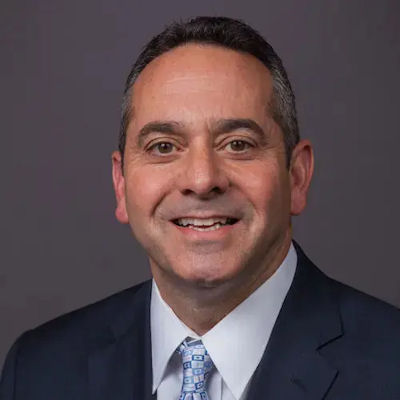
Dr. Eric Kaplan is a board-certified psychiatrist with over three decades of experience in mental health, neurology, and forensic psychiatry. He is recognized for his expertise in treating a wide range of psychiatric conditions, including depression, bipolar disorder, anxiety disorders, substance use disorders, and traumatic brain injuries, as well as for his work in complex psychopharmacology.