
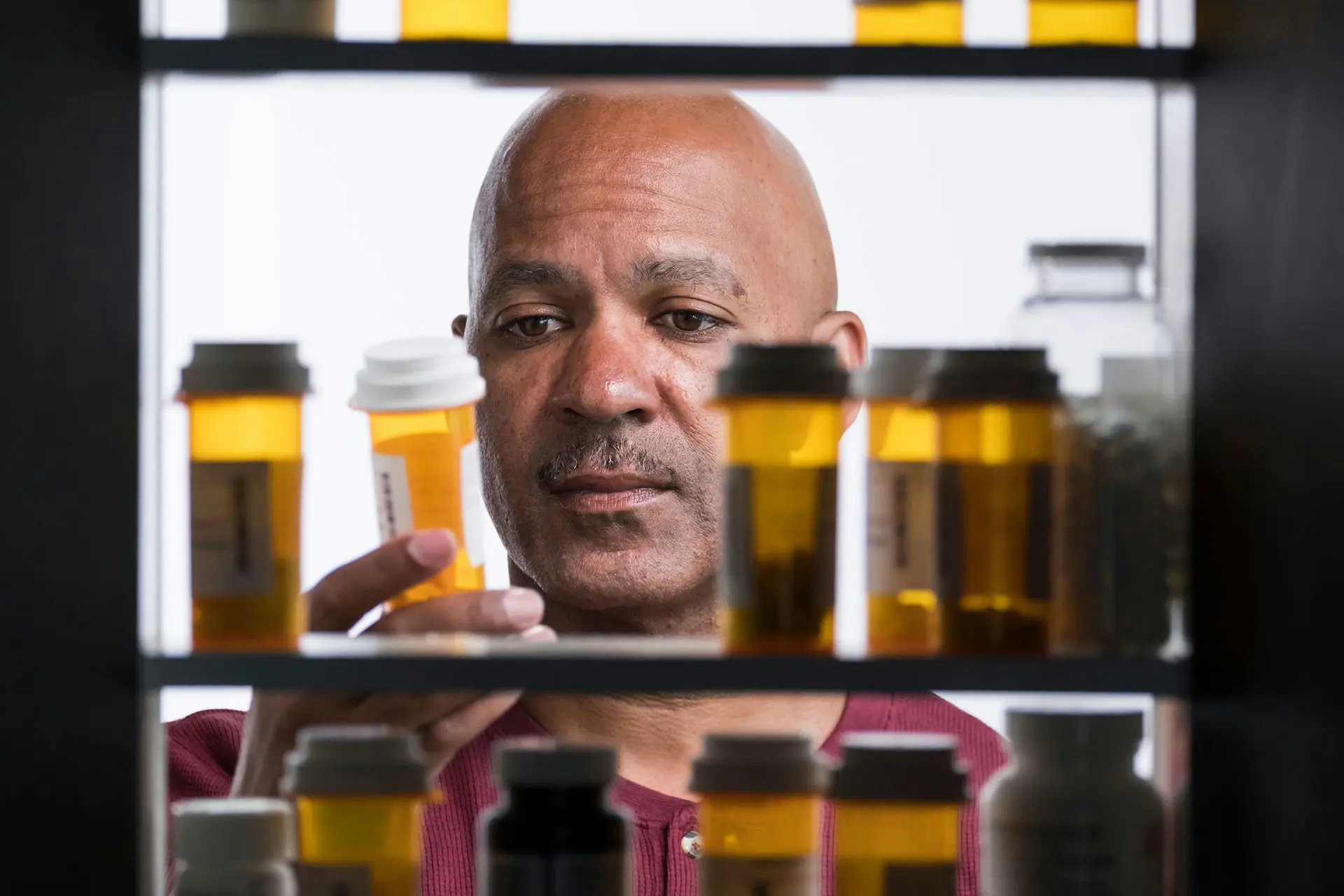
Muscle relaxers are commonly prescribed for acute back pain, neck injuries, or muscle spasms. But as prescriptions for these medications have climbed over the last two decades, so have safety concerns. Many individuals find themselves asking, “Are muscle relaxers addictive?” especially when they notice their body beginning to rely on the medication to feel normal.
These medications work well in the short term; doctors typically recommend them for two to three weeks max. Beyond that, the risks multiply. According to the National Survey on Drug Use and Health (NSDUH), in 2023, approximately 4.7 million people aged 12 or older in the United States misused prescription tranquilizers or sedatives, a category that often includes muscle relaxers.
Harmony Hills recognizes how easily pain management can blur into dependence. This article explores the addiction potential of muscle relaxers, the signs of dependence, and how to find a path forward if you or a loved one needs support.
What Are Muscle Relaxers?
Muscle relaxers (also called skeletal muscle relaxants) are prescription medications that ease muscle spasms, pain, and overactive reflexes. Unlike over-the-counter pain relievers like ibuprofen, muscle relaxers act as central nervous system depressants, causing a sedative effect that helps the body relax.
Doctors prescribe these medications for various conditions, including lower back pain, neck injuries, fibromyalgia, and tension headaches. Medical guidelines recommend limiting use to the acute pain phase, usually for two to three weeks.
Commonly Prescribed Muscle Relaxers
Muscle relaxers come in several types, each with different chemical structures and risk levels. Some are controlled substances because of their abuse potential.
- Carisoprodol (Soma): A Schedule IV controlled substance carrying the highest addiction risk among muscle relaxers. It breaks down into meprobamate, a tranquilizer that can create euphoria.
- Cyclobenzaprine (Flexeril): The most commonly prescribed muscle relaxer. It’s not a controlled substance, but long-term use can still lead to physical dependence.
- Diazepam (Valium): Though technically a benzodiazepine, it’s often prescribed for muscle spasms and carries a high risk of addiction.
- Baclofen: Often used for chronic conditions like multiple sclerosis or spinal cord injuries.
- Methocarbamol (Robaxin): Has a lower risk profile than carisoprodol but can still cause sedation.
These medications are meant for short-term relief. Use them for months or years, and you face higher risks of cognitive decline, falls, and dependence, even as the drug becomes less effective.
How Muscle Relaxers Work in the Body
To understand why addiction happens, you need to know what these drugs do. Muscle relaxers work by depressing your central nervous system—they slow down nerve signals traveling between your brain and spinal cord.
When you take a muscle relaxer, it doesn’t “untie” the knot in your muscle directly. Instead, it sedates your entire brain and body, quieting the nerve activity causing the spasm.
Effects on the Central Nervous System
This slowing of brain activity creates that relaxed feeling, but it’s also why you feel drowsy and foggy. Medications like carisoprodol (Soma) affect GABAA receptors in the brain, the same receptors targeted by alcohol and benzodiazepines. This interaction can produce feelings of intense calm or euphoria in some people.
Why Some Muscle Relaxers Carry a Higher Risk
Medications that produce a euphoric “high” or profound sedation trigger the brain’s reward system. Carisoprodol is especially risky because your body breaks it down into a powerful tranquilizer, extending the effects and making people more likely to seek it out for reasons beyond pain.
Are Muscle Relaxers Addictive?

Yes, muscle relaxers can be addictive. Carisoprodol (Soma) and diazepam (Valium) have a high potential for addiction. Other options like cyclobenzaprine are less likely to cause true addiction but frequently lead to physical dependence.
Difference Between Physical Dependence, Tolerance, and Addiction
- Tolerance: Your body gets used to the medication. A dose that used to work stops providing relief.
- Physical Dependence: Your body has adapted to having the drug in your system. Stop suddenly, and you’ll experience withdrawal symptoms.
- Addiction: A chronic, relapsing disorder involving compulsively seeking and using drugs even when they’re causing harm.
Which Muscle Relaxers Are More Likely to Cause Dependence?
Carisoprodol (Soma) is the biggest concern. It’s a Schedule IV controlled substance, and carisoprodol abuse has led to thousands of emergency room visits. Benzodiazepines used for muscle spasms also carry severe addiction risks. Cyclobenzaprine is safer, but people still misuse it—especially to boost the effects of alcohol or other sedatives.
Role of Dosage and Individual Risk Factors
Higher doses and longer use increase your addiction risk. If you have a personal or family history of addiction, or if you struggle with anxiety or other mental health conditions, you’re at higher risk of becoming dependent on the calming effects these drugs provide.
What Are the Signs of Muscle Relaxer Misuse or Dependence?
Misuse usually creeps up on you. Catching the warning signs early can stop things from getting worse. Behavioral changes to be aware of include:
- Taking higher doses: Consuming more than the doctor prescribed or taking doses more frequently.
- Running out early: Frequently finishing a prescription before the refill date.
- Doctor shopping: Visiting multiple doctors to obtain prescriptions.
- Non-medical use: Using the medication to handle stress or anxiety rather than muscle pain.
- Defensiveness: Becoming angry or secretive when asked about medication use.
- Withdrawal symptoms: Feeling shaky, anxious, or nauseous when the medication is not in your system.
- Tolerance: Needing two pills to feel the relief that one pill used to provide.
- Cravings: Experiencing strong urges to take the medication.
- Sedation: Appearing constantly tired or uncoordinated.
If you recognize any of these signs, it’s important to seek professional help immediately.
What Are the Withdrawal and Safety Concerns?
Quitting muscle relaxers cold turkey after regular use is dangerous. Your brain has adjusted to the sedative effects. Remove the drug suddenly, and it can rebound into hyperactivity.
- Anxiety and agitation: The nervous system can become overactive, leading to feelings of unease and restlessness.
- Insomnia: Difficulty sleeping is common as the body readjusts to functioning without the sedative.
- Rebound muscle pain: Spasms and pain may return, sometimes more intensely than before.
- Tremors: Uncontrollable shaking can occur as the central nervous system rebounds.
- Seizures: In severe cases, sudden cessation can trigger life-threatening seizures.
- Seizures: In severe cases, especially with carisoprodol or benzodiazepines, stopping suddenly can trigger seizures.
Because of seizure risk and severe psychological distress, doctors rarely recommend quitting cold turkey. Medical supervision means you can taper off slowly, reducing your dose gradually. A professional detox program provides the monitoring you need.
How Do Muscle Relaxers Relate to Co-Occurring Mental Health Conditions?
Muscle relaxer misuse and mental health challenges are closely linked. If you’re struggling with anxiety, depression, or insomnia, the sedative effects might offer temporary emotional relief, which is a form of self-medication. This creates a cycle: your mental health condition goes untreated while your dependence deepens.
Effective treatment addresses both the addiction and the emotional pain simultaneously.
What Are the Treatment Options for Muscle Relaxer Misuse or Addiction?

Recovery from muscle relaxer addiction is entirely possible with the right support.
Medical Detox
Medical detoxification involves clearing the body of the substance under professional supervision. They can manage withdrawal symptoms and intervene if complications like seizures occur.
Dual Diagnosis Treatment
For those with co-occurring conditions like depression or anxiety, dual diagnosis care treats the mental health condition and addiction simultaneously.
Residential treatment for co-occurring disorders offers a structured, immersive environment where individuals can focus entirely on recovery, removed from triggers and stressors.
Individual and Group Therapy
Individual and group therapy are key for recovery, as they teach crucial life skills and emotional regulation.
- Cognitive-Behavioral Therapy (CBT): Identifies negative thought patterns and teaches healthy coping mechanisms.
- Group Support: Connects individuals with peers who understand their struggles.
- Family Therapy: Helps repair relationships and educates loved ones on supporting recovery.
Harmony Hills offers several evidence-based and holistic therapies to help clients address the underlying mental health concerns that accompany addiction.
How Harmony Hills Supports Recovery

Harmony Hills believes every person deserves access to compassionate, evidence-based mental health treatment. The Harmony Hills approach centers on treating the whole individual with :
- Integrated Treatment: We address the root causes of addiction, including trauma, anxiety, and depression.
- Safe Environment: Our Florida-based center provides a tranquil setting for healing.
- Personalized Plans: Treatment tailored to your specific medical and psychological needs.
- Aftercare Planning: Supporting families and individuals throughout the recovery journey.
Recognizing that you might have a problem with muscle relaxers is a brave first step. It’s a medical condition, not a moral failing. If you or a loved one is struggling with dependence on muscle relaxers, Harmony Hills is here to help. We provide evidence-based mental health treatment in a supportive, confidential environment. Contact us today to start your journey toward lasting recovery.
Frequently Asked Questions
If you’re curious about muscle relaxer addiction, explore these FAQs to learn more.
How Long Does Muscle Relaxer Withdrawal Last?
Acute symptoms typically peak within the first few days and can last 5 to 7 days. Psychological symptoms may persist for weeks.
Can You Overdose On Muscle Relaxers?
Yes, overdosing is possible and can be fatal. Symptoms include extreme drowsiness, shallow breathing, and loss of consciousness. Risk increases significantly when mixed with alcohol or opioids.
Are Muscle Relaxers Safe During Pregnancy?
Most muscle relaxers are not recommended during pregnancy. Consult a healthcare provider for safer alternatives.
Do Muscle Relaxers Show Up On Drug Tests?
Standard drug tests usually do not screen for muscle relaxers. However, specific tests can detect them, and carisoprodol may be included in comprehensive screenings.
What Happens If You Stop Muscle Relaxers Suddenly?
Stopping abruptly can cause “rebound” symptoms where pain returns worse than before. It can also lead to withdrawal symptoms and, in severe cases, seizures.
References
https://drugabusestatistics.org/prescription-drug-abuse-statistics/
https://www.addictionresource.net/blog/commonly-abused-muscle-relaxers/
https://www.drugabuse.gov/publications/research-reports/misuse-prescription-drugs/overview