

It can be confusing and even frightening to notice new feelings of worry or nervousness during midlife, especially when there is no obvious cause. Many people find themselves asking if these changes could be related to menopause. The answer is yes—menopause can cause anxiety due to hormonal fluctuations, particularly as estrogen levels decline.
Research shows that anxiety is common during the menopausal transition. Recent studies estimate that about 23% of women going through perimenopause experience significant anxiety symptoms, and some studies report even higher rates during this stage of life. For many, these symptoms may appear for the first time or feel different from past experiences of stress.
At Harmony Hills, our team recognizes the unique ways menopause can impact mental health. We offer specialized support for anxiety disorders during life transitions, including menopause, using evidence-based therapies in a supportive setting.
What is Menopause Anxiety Disorder?
Menopause anxiety disorder is a clinical term describing ongoing feelings of worry, nervousness, or fear that develop or intensify during the menopausal transition. These symptoms are more severe and persistent than everyday stress and can interfere with daily life.
- Clinical definition: Menopause anxiety disorder involves anxiety symptoms—such as excessive worry, restlessness, or tension—that last for more than 6 months and occur in connection with menopause or perimenopause.
- Prevalence: Studies suggest that between 23% and 50% of women experience anxiety in menopause or perimenopause, making it a common but often overlooked concern.
- Distinction: This disorder is different from general anxiety disorder because it is closely tied to changes in hormone levels during menopause, rather than ongoing stress or unrelated triggers.
Menopause anxiety disorder and perimenopause anxiety disorder both refer to anxiety that is directly linked to the hormonal and physical changes of this life stage. Recognizing these patterns can help individuals and healthcare providers find appropriate ways to address anxiety in menopause.
Why Do Hormones Cause Anxiety In Menopause?
Hormones play an important role in how the brain and body respond to stress, mood, and emotions. During menopause, certain hormones change in ways that can lead to anxiety. Scientists have studied how these changes impact brain chemistry and nervous system balance.
- Estrogen decline: Estrogen helps regulate neurotransmitters, such as serotonin, which affects mood and feelings of well-being. When estrogen levels drop during menopause, serotonin levels can also decrease, which may lead to more frequent or intense feelings of anxiety. Research shows that this link between low estrogen and anxiety is related to how the brain processes emotions and stress.
- Progesterone changes: Progesterone is another hormone that shifts during menopause. It affects the activity of a brain chemical called GABA, which helps the body relax and feel calm. When progesterone drops, GABA activity can decrease, making it harder to relax and possibly increasing anxiety or tension.
- Cortisol disruption: Cortisol is known as the body’s main stress hormone. Hormonal changes during menopause can alter the production and regulation of cortisol. Disrupted cortisol patterns may make the body more sensitive to stress, which can result in more anxiety or trouble coping with daily pressures.
These changes show that hormones that cause anxiety in menopause include estrogen, progesterone, and cortisol. The connection between estrogen and anxiety, as well as the question “Does low estrogen cause anxiety?” are common topics in current medical research.
Common Menopause Anxiety Symptoms and Nervousness
Anxiety during menopause can look and feel different for each person, but some patterns are common. Many people wonder, “Can menopause cause nervousness?” The answer is yes. Nervousness and anxiety are recognized symptoms that can occur during menopause and perimenopause. These symptoms often fall into three main categories: physical, emotional, and behavioral.
1. Physical Signs
- Racing heart or palpitations: The heart may feel like it is beating faster or more forcefully, even without physical activity.
- Sweating unrelated to hot flashes: Increased sweating can occur at any time, not just during a hot flash episode.
- Muscle tension and headaches: Muscles may feel tight or sore, and headaches can develop without a clear cause.
- Digestive issues or nausea: Some people experience stomach discomfort, queasiness, or changes in digestion.
2. Emotional Signs
- Persistent worry about health or family: Ongoing concerns or fears that feel difficult to control.
- Feeling overwhelmed by daily tasks: Everyday activities may start to feel unmanageable or stressful.
- Irritability or mood swings: Emotions may change quickly, with increased sensitivity or frustration.
- Fear of social situations: Social gatherings or events may trigger discomfort or avoidance.
3. Behavioral Changes
- Avoiding previously enjoyed activities: Interest in hobbies or social events may decrease.
- Sleep disturbances and restlessness: Trouble falling asleep, staying asleep, or feeling rested after sleep.
- Changes in eating patterns: Shifts in appetite, including eating more or less than usual.
- Increased need for reassurance: Seeking more support or validation from others.
These menopause anxiety symptoms, as well as perimenopause symptoms anxiety, can vary in severity. Some people describe experiencing terrible anxiety during perimenopause, while others may have only mild symptoms. Recognizing these signs can help with understanding what is happening during this transition.
Does Low Estrogen Cause Anxiety and Panic Attacks?

Low estrogen can cause anxiety, and research shows it is linked to an increased risk of panic attacks during menopause. Estrogen helps regulate several brain chemicals, including serotonin, which plays a role in mood stability. When estrogen levels decline in perimenopause and menopause, changes in these brain chemicals can make anxiety and panic attacks more likely.
Panic attacks are sudden episodes of intense fear or discomfort, often with physical symptoms like a racing heart, sweating, or shortness of breath. Around 18% to 33% of women experience perimenopause panic attacks or menopause panic attacks, even if they have no prior history of panic disorder. These episodes can happen at any stage of the menopause transition.
- Estrogen’s brain effects: Estrogen influences neurotransmitters such as serotonin and GABA, which help regulate mood and anxiety. Declining estrogen reduces these calming signals in the brain, which can make anxiety and low estrogen panic attacks more frequent.
- Panic attack triggers: Hormonal fluctuations, especially sharp drops in estrogen, can trigger panic attacks. Hot flashes and night sweats are also common triggers, as the body’s sudden changes in temperature and heart rate can be mistaken for panic symptoms.
- Timing patterns: Panic attacks during menopause are most likely to occur during times of rapid hormonal change, such as late perimenopause or early postmenopause. They may also be more common at night, especially if hot flashes or sleep disturbances are present.
Research supports that low estrogen can cause anxiety, and that menopause can cause panic attacks are valid concerns. The connection between hormone changes and emotional symptoms is an active area of study in women’s health.
Why Does Perimenopause Cause Anxiety and Insomnia?
Perimenopause is often the stage when anxiety is most noticeable and difficult to manage. This period is marked by changes in reproductive hormones that do not follow a predictable pattern. Fluctuating hormone levels can impact how the brain regulates stress and emotions, which is why perimenopause can cause anxiety and sleep problems for many individuals.
1. Hormonal Shifts
During perimenopause, estrogen and progesterone levels rise and fall unevenly. These shifts can happen from month to month or even within the same cycle. Because these hormones are linked to neurotransmitters in the brain, erratic hormone patterns can cause sudden mood changes, irritability, and heightened feelings of anxiety. The unpredictable nature of these changes is a key reason why perimenopause is a particularly challenging time for anxiety and perimenopause insomnia anxiety.
2. Night Sweats And Hot Flashes Anxiety
Vasomotor symptoms, such as night sweats and hot flashes, are common during perimenopause. The relationship between these symptoms and anxiety moves in both directions. Anxiety can make hot flashes and night sweats more intense or frequent, while experiencing hot flashes or waking up drenched in sweat can trigger or worsen anxiety. This cycle is sometimes referred to as “hot flash anxiety.” Disrupted sleep from these symptoms can also make anxiety worse the next day.
3. Perimenopause Jittery Feeling
Many individuals report an internal sense of restlessness during perimenopause, often described as a “perimenopause jittery feeling.” This sensation may feel like being on edge, having difficulty relaxing, or experiencing unexplained nervous energy. The internal jitteriness can occur even without obvious stressors and may be related to both hormonal changes and ongoing sleep disturbances.
These patterns help explain why perimenopause causes anxiety and why anxiety and perimenopause often occur together, especially alongside insomnia and other sleep disruptions.
Managing Stress and Menopause Together
Stress and menopause often influence each other. High stress can make menopausal symptoms like hot flashes, sleep problems, and anxiety feel more intense. At the same time, menopause-related changes can make stress harder to manage. Approaching both issues together involves practical strategies that address both the mind and body.
1. Daily Relaxation Habits
- Deep breathing exercises (4-7-8 technique): Inhale through the nose for 4 counts, hold the breath for 7 counts, and exhale through the mouth for 8 counts. Repeat this pattern several times.
- Progressive muscle relaxation: Tense a group of muscles for a few seconds, then release. Move through different muscle groups from toes to head.
- Mindfulness meditation apps: These apps provide guided sessions that focus on being present and noticing thoughts and sensations without judgment.
- Journaling practices: Writing down thoughts and feelings each day can help organize emotions and identify patterns over time.
2. Exercise and Nutrition Tips
- Regular aerobic exercise: Activities like walking, swimming, or cycling increase heart rate and support overall health.
- Strength training for bone health: Lifting weights or using resistance bands can help maintain bone strength, which is important during menopause.
- Anti-inflammatory foods: Foods like berries, leafy greens, nuts, and fatty fish can be included in the diet to help manage inflammation.
- Limiting caffeine and alcohol: Reducing intake of these substances may decrease anxiety and improve sleep quality.
3. Sleep and Mindfulness
- Consistent bedtime routines: Going to bed and waking up at the same times each day helps regulate the body’s internal clock.
- Cool sleeping environment: Keeping the bedroom cool can reduce night sweats and make sleep more comfortable.
- Screen time limits: Turning off screens at least 30 minutes before bed can reduce stimulation and help the brain prepare for sleep.
- Relaxation before bed: Activities like gentle stretching, listening to calming music, or practicing breathing exercises can help the body wind down at night.
Menopause Anxiety Treatment and Helpful Therapies
Menopause anxiety treatment includes a range of options, from lifestyle changes to medical interventions. The best approach often depends on the severity of symptoms and personal health history. For those experiencing severe or persistent anxiety during menopause, medical professionals recommend seeking professional support.
1. Professional Counseling Or Therapy
Cognitive behavioral therapy (CBT) is a type of talk therapy that helps people identify and change patterns of thinking that contribute to anxiety. CBT is supported by research as an effective menopause and anxiety treatment. Other evidence-based therapies include mindfulness-based stress reduction, acceptance and commitment therapy, and supportive counseling. At Harmony Hills, treatment plans may include these approaches to address anxiety during menopause and related life transitions.
2. Hormone Replacement Therapy
Hormone replacement therapy (HRT) involves taking estrogen, or a combination of estrogen and progesterone, to address hormone changes during menopause. Recent studies show that HRT can help reduce anxiety symptoms in some individuals, especially when anxiety is linked to hot flashes, sleep disruption, or severe mood changes. The question “Does HRT help with anxiety?” is addressed in ongoing research, which suggests that HRT can be effective for some but not all people. Considerations for HRT include age, medical history, and the presence of other health risks. Decisions about HRT are typically made in consultation with a healthcare provider.
3. Medication And Alternative Approaches
Medications such as selective serotonin reuptake inhibitors (SSRIs) and selective norepinephrine reuptake inhibitors (SNRIs) are often prescribed for menopause anxiety treatment. These medications are commonly used to treat anxiety disorders and may also help with hot flashes and sleep disturbances. Anti-anxiety medications, such as benzodiazepines, may be used for short-term relief but are not recommended for long-term use due to potential dependence.
Complementary therapies, such as acupuncture, yoga, and meditation, are also used by some people to manage anxiety during menopause. These approaches can be included as part of an overall menopause and anxiety treatment plan, although scientific evidence varies regarding their effectiveness.
Professional help is considered important for individuals whose anxiety during menopause interferes with daily life or becomes severe. Treatment is tailored to each person’s symptoms, health needs, and personal preferences.
How Long Does Perimenopause Anxiety Last, and What About Post Menopause
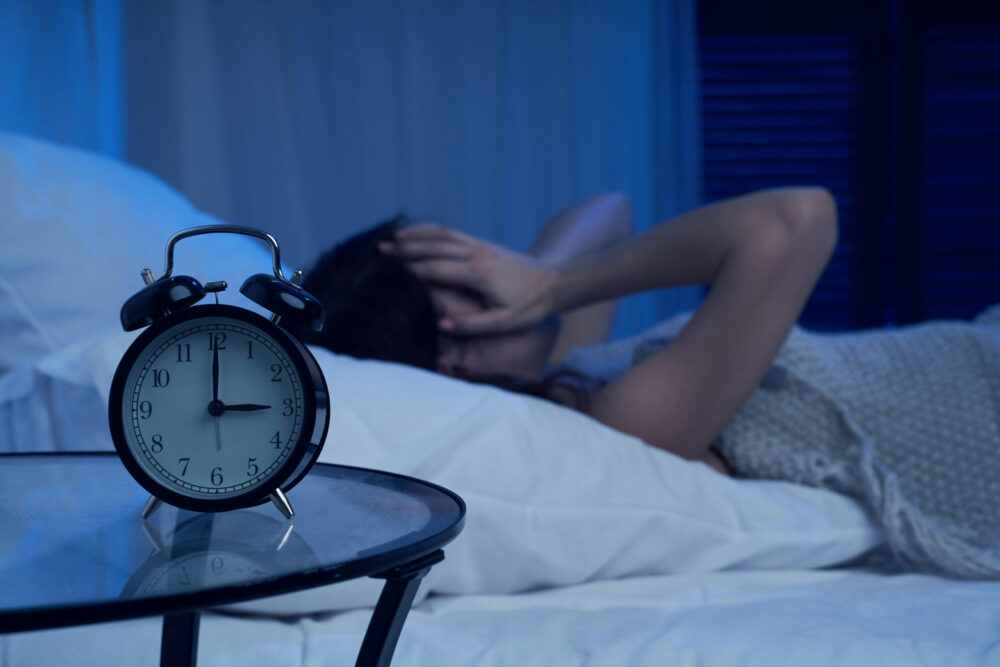
Perimenopause anxiety can last for several months to several years. The duration often depends on how long perimenopause itself lasts, which can range from two to ten years for most people. Anxiety symptoms tend to be most intense when hormone levels are rapidly changing, especially in the late stages of perimenopause.
As menopause is reached—when periods have stopped for twelve consecutive months—many individuals notice that anxiety symptoms begin to decrease. For some, anxiety fades as hormones stabilize after menopause. However, for others, anxiety in postmenopausal years may continue or even appear for the first time. Research shows that about 15% to 50% of perimenopausal and postmenopausal individuals report persistent anxiety symptoms.
In the postmenopausal phase, anxiety may relate to factors such as ongoing sleep problems, physical health changes, or life stressors, rather than hormone fluctuations alone. Some people experience a gradual improvement, while others may need ongoing support if anxiety in postmenopausal years remains present. Each person’s experience can vary, and anxiety patterns may shift over time.
Moving Forward With Confidence And Support
Anxiety during menopause often improves over time as hormone levels stabilize. Many individuals find that symptoms lessen or become more manageable after the transition period ends. For some, anxiety may continue, but supportive resources and effective treatments are available.
Harmony Hills provides care for anxiety disorders related to life transitions, including menopause. We use evidence-based therapies and a multidisciplinary approach tailored to each individual’s needs. Services include counseling, group therapy, and holistic strategies for mental health.
Professional guidance can help clarify whether anxiety is connected to menopause or other factors. Health professionals assess symptoms, develop treatment plans, and offer referrals if additional support is needed. Reaching out for help is a common and appropriate step when anxiety affects daily life or well-being.
Frequently Asked Questions About Menopause And Anxiety
Can anxiety during menopause cause hot flashes?
Anxiety and hot flashes often influence each other during menopause. Anxiety can make hot flashes more frequent or intense, while experiencing hot flashes may increase anxiety levels.
Does hormone replacement therapy help with anxiety in all women experiencing menopause?
Hormone replacement therapy (HRT) does not help with anxiety for everyone. The effectiveness of HRT for anxiety varies based on individual factors, such as hormone levels, overall health, and the presence of other symptoms.
What is the difference between menopause anxiety attacks and regular panic attacks?
Panic attacks during menopause and regular panic attacks share many of the same symptoms, including a racing heart, sweating, and fear. During menopause, panic attacks may be more likely to occur due to hormonal fluctuations rather than external triggers.
Can menopause anxiety lead to a nervous breakdown?
Menopause anxiety rarely leads to what is commonly called a “nervous breakdown.” Persistent or severe anxiety symptoms, sometimes described as a menopause nervous breakdown, may interfere with daily life and benefit from professional support.
For those seeking support with anxiety related to menopause, Harmony Hills offers confidential assessment and treatment options. Contact us today to get started.