

When you are living with both a mental health condition and substance use, the way treatment is structured matters. Some programs center care on the substance itself. Others start with the mental health condition and build the rest of the plan around it. For many people, especially those whose substance use is tied to depression, trauma, or another psychiatric condition, that difference shapes how well both concerns are addressed.
This article explains what co-occurring disorders are, what mental health primary treatment means, and how it differs from an addiction-first approach.
What Are Co-Occurring Disorders?
Co-occurring disorders, also called dual diagnosis, mean a person has a mental health condition and a substance use disorder at the same time. Examples include depression alongside alcohol use, PTSD alongside prescription medication misuse, or bipolar disorder alongside cannabis use.
These conditions often affect each other. According to the research, people with substance use disorders often have other mental disorders, and shared risk factors such as genetics, stress, and trauma can contribute to both. The relationship can be bidirectional. Some people use substances to cope with mental health symptoms, and substance use can also worsen psychiatric symptoms.
What Does Mental Health-Primary Treatment Mean?
In mental health primary care, the psychiatric diagnosis guides the treatment plan from the start. Substance use is treated as a co-occurring concern, addressed alongside the mental health condition rather than as the sole focus of care.
In practice, this means:
- Assessment centers on the mental health condition. Care decisions are shaped by diagnoses such as PTSD, bipolar disorder, major depression, borderline personality disorder, or schizoaffective disorder, not only by the substance being used.
- Both conditions are treated together. NIDA notes that it is usually better to treat co-occurring conditions at the same time rather than separately. Mental-health-primary care follows that integrated approach, with the mental health diagnosis setting the direction.
- Detox is connected to mental health care. When medically necessary, medically supervised detox helps manage withdrawal as part of a residential treatment plan for a primary mental health condition. It is not offered as a standalone addiction program.
Why Does the Order of Care Matter?
Treating mental health first does not mean waiting to address substance use. It means recognizing that, for many people with co-occurring disorders, the mental health condition is a core source of distress, so it should guide the plan.
When the mental health condition is the priority:
- Stabilization supports engagement. As symptoms like severe depression, panic, or intrusive trauma memories are addressed, many people find it easier to participate in therapy and build new skills.
- Patterns become easier to understand. As mental health symptoms are treated, the connection between those symptoms and substance use can become clearer and easier to work on.
- Planning looks beyond the program. If an underlying condition goes unaddressed, the distress connected to substance use may remain after treatment ends. Part of planning for longer-term stability is to treat it directly.
How Is This Different From an Addiction-First Program?
Addiction-first programs organize treatment around the substance and the behaviors connected to its use. These programs serve an important role, particularly for people whose primary concern is a substance use disorder.
For someone whose primary concern is a serious mental health condition, a dual diagnosis treatment center in Florida that takes a mental health-primary approach offers a different emphasis:
- Around-the-clock support in a structured residential setting, with psychiatric care and medication management when appropriate
- Treatment plans built around each person’s diagnosis, symptoms, circumstances, and goals
- Trauma-informed care that recognizes the role trauma can play in both mental health conditions and substance use
- Co-occurring substance use addressed within the broader mental health treatment plan
Which Therapies Support Co-Occurring Disorder Treatment?
Treatment for co-occurring disorders typically combines several evidence-based approaches. At Harmony Hills, these include:
- Cognitive behavioral therapy (CBT) helps identify and change thought patterns that contribute to both mental health symptoms and substance use.
- Dialectical behavior therapy (DBT) builds skills in emotion regulation and distress tolerance, which can be especially helpful for borderline personality disorder and self-harm concerns.
- EMDR therapy helps people process traumatic experiences that may underlie both conditions.
- Individual therapy offers space to explore personal history and develop coping strategies.
- Group therapy provides connection with peers and a place to practice new skills.
- Family therapy can help loved ones understand both conditions and learn how to offer support.
Frequently Asked Questions
What does “mental health primary” mean in treatment?
It means the mental health condition is treated as the primary diagnosis and guides the treatment plan, while co-occurring substance use is addressed alongside it.
Is detox available for co-occurring disorders?
When medically necessary, medically supervised detox is provided as part of treatment for a primary mental health condition. It is not offered as a standalone addiction program.
How long does residential treatment for co-occurring disorders last?
Length of stay varies based on each person’s needs, diagnosis, and progress. Your treatment team helps determine the appropriate duration and level of care.
Can family members be involved?
Yes. Family therapy is part of treatment and can help loved ones understand co-occurring conditions and how to provide the best support.
What if past treatment focused only on substance use?
If earlier treatment did not fully address an underlying mental health condition, a mental-health-primary approach may be worth exploring. An admissions specialist can help you understand whether it fits your situation.
Mental Health—Primary Treatment in Central Florida
Harmony Hills provides residential mental health treatment on our campus in Altoona, in Lake County, with co-occurring substance use addressed as part of a mental health-primary treatment plan. Care is individualized, trauma-informed, and focused on the whole person.
If you have questions about whether this approach fits your situation, our admissions team can walk you through it. We offer a free insurance benefits verification and clinical assessment to help determine the right level of care. Call 352-269-9113 or verify your insurance online.
If you are in immediate danger, call 911. For mental health crisis support, call or text 988.
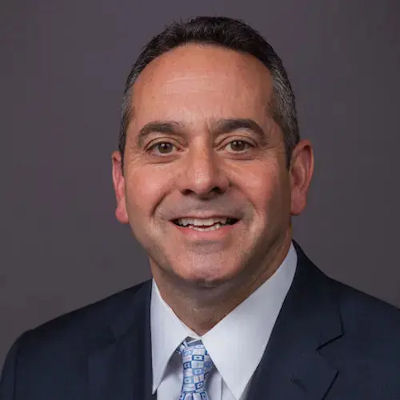
Dr. Eric Kaplan is a board-certified psychiatrist with over three decades of experience in mental health, neurology, and forensic psychiatry. He is recognized for his expertise in treating a wide range of psychiatric conditions, including depression, bipolar disorder, anxiety disorders, substance use disorders, and traumatic brain injuries, as well as for his work in complex psychopharmacology.