

When someone you love is struggling with a serious mental health condition, figuring out the next step can feel overwhelming, especially when weekly outpatient therapy is no longer enough. For Lake County families, residential mental health care does not have to mean sending a loved one across the state.
This guide explains what residential treatment involves, what to ask when comparing programs, and how Harmony Hills, in Altoona in northern Lake County, serves families throughout the county.
What Is Residential Mental Health Treatment?
Residential mental health treatment provides structured, around-the-clock support for adults whose symptoms have become too intense to manage with outpatient care alone. Clients live on campus during treatment, which removes many of the everyday stressors that can make stabilization harder.
Residential care can support people living with conditions such as depression, anxiety, PTSD, bipolar disorder, borderline personality disorder, schizophrenia, schizoaffective disorder, and self-harm concerns. Days combine individual therapy, group therapy, and psychiatric care, with time for rest and skill practice.
When Might a Higher Level of Care Be Appropriate?
Only a qualified clinician can determine the right level of care. Families often start asking about residential treatment when:
- Symptoms are interfering with work, relationships, or daily routines
- Outpatient therapy or medication changes have not provided enough support
- A loved one needs closer clinical attention to stay safe and stable
If you are unsure, a clinical assessment can help clarify the options.
What Does a Day in Residential Treatment Look Like?
Every program sets its own schedule, but residential days are structured by design. Clients typically take part in daily therapy, which may include one-on-one sessions with a therapist and group sessions where they practice new skills alongside peers. Psychiatric care and medication management are part of the routine when appropriate.
Outside of therapy, the day still has a rhythm: regular meals, time for rest, and space to reflect on what was worked on in sessions. For many, this predictable structure is partly what makes stabilization possible after a period in which daily life felt unmanageable.
Where Do Lake County Families Find Residential Care?
Harmony Hills has one campus in Altoona. Families from across Lake County travel there for care, including.
These communities are areas we serve, not additional locations. All residential treatment takes place on the Altoona campus.
Staying within the county can matter more than families expect. A shorter drive makes it easier to take part in family therapy, visit where appropriate, and stay connected as your loved one prepares to return home.
Distance looks different depending on where you live in the county. Families in the Golden Triangle communities of Eustis, Tavares, and Mount Dora are relatively close to campus, while Clermont, in the southern part of the county near the Orlando area, involves a longer drive. Ask about family involvement options that fit your schedule, whichever part of Lake County you call home.
What Should Families Ask When Comparing Programs?
It helps to go into calls with a few questions ready:
- Is mental health the primary focus? Ask whether treatment is built around the mental health diagnosis and how co-occurring substance use is handled.
- Is the program accredited? Look for recognized accreditation. Harmony Hills is accredited by The Joint Commission.
- Which therapies are used? Ask about evidence-based approaches such as CBT, DBT, and EMDR, along with individual and group therapy.
- How can families stay involved? Ask about family therapy and support for loved ones.
- What happens after residential care? A plan for aftercare helps with the transition home.
- How does insurance work? Ask whether the program verifies benefits before admission.
How Can Families Stay Involved?
Family therapy helps loved ones understand the condition, rebuild trust, and learn healthy ways to offer support. The admissions team can also explain other ways families can stay informed and involved around work and school schedules. Specific involvement depends on each person’s treatment plan and the clinical team’s recommendations.
How Does Harmony Hills Serve Lake County?
Harmony Hills focuses on treating primary mental health conditions, including complex cases. Care is individualized and trauma-informed, combining CBT, DBT, EMDR, individual and group therapy, and psychiatric support with medication management when appropriate.
When substance use co-occurs with a mental health condition, dual diagnosis treatment addresses both together, with mental health remaining the primary focus. After residential care, aftercare and alumni programs help clients stay connected as they return to daily life.
When it is clinically appropriate, a partial hospitalization program (PHP) can serve as a step down from residential care, offering structured daytime treatment as your loved one transitions toward independent daily life.
Frequently Asked Questions
Does Harmony Hills have locations in Eustis, Tavares, or Mount Dora?
No. Harmony Hills has one campus in Altoona. We serve families from those communities and across Lake County, and all residential treatment takes place in Altoona.
How long does residential mental health treatment last?
Length of stay varies based on each person’s needs, diagnosis, and progress. The treatment team helps determine the appropriate duration and next level of care.
What if my loved one also uses substances?
When substance use occurs alongside a mental health condition, it is addressed as part of an integrated treatment plan, with the mental health condition remaining the primary focus.
Does insurance cover residential mental health treatment?
Coverage depends on your plan. Harmony Hills offers free insurance benefits verification so families can understand their coverage before admission.
Can family members be involved during treatment?
Yes. Family therapy helps loved ones stay informed and engaged, and the admissions team can explain how families take part.
Taking the Next Step
If someone you love needs more support than outpatient care can provide, exploring residential treatment is a hopeful step forward. Our admissions team can answer your questions, and we offer a free insurance benefits verification and clinical assessment to help determine the right level of care. Call 352-269-9113 or verify your insurance online.
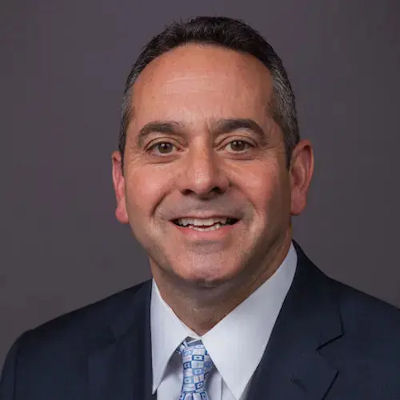
Dr. Eric Kaplan is a board-certified psychiatrist with over three decades of experience in mental health, neurology, and forensic psychiatry. He is recognized for his expertise in treating a wide range of psychiatric conditions, including depression, bipolar disorder, anxiety disorders, substance use disorders, and traumatic brain injuries, as well as for his work in complex psychopharmacology.