

When someone you care about is starting residential mental health treatment, it is natural to feel unsure about how to help. You want to be supportive without overstepping and stay connected without getting in the way of their care.
Family support during mental health treatment can be a meaningful source of encouragement. This guide covers practical ways to help before, during, and after residential treatment and what family involvement looks like at Harmony Hills.
Before Treatment Begins: How Can You Help Them Prepare?
The days before admission can bring a mix of emotions, including anxiety, relief, and uncertainty, for your loved one and for you. Practical help often means the most right now:
- Help with packing, using the what-to-bring list as a guide.
- Offer a ride or help arrange transportation.
- Cover responsibilities they need to set aside for a while, such as pets, mail, or bills.
Try to avoid last-minute pressure or advice. Instead, let them know you respect their decision to get help.
It also helps to acknowledge your own feelings. Worry, guilt, or even relief are common reactions for families. Naming them, to yourself or someone you trust, can make it easier to show up calmly for your loved one.
How to Help Someone in Treatment Without Overstepping
Once your loved one begins residential mental health treatment, their days are structured around therapy and building new skills. Giving them space to focus is one of the most supportive things you can do.
When you do talk, keep conversations warm and present-focused. Ask open-ended questions about their day rather than pressing for clinical details. Save stressful topics or family conflicts for a time when the treatment team can help guide the conversation. Simple encouragement, like telling them you are proud of them, often means more than advice.
Setting Boundaries That Protect You Both
Healthy boundaries are not about pulling away. They help everyone stay steady. That might mean:
- Being honest about what you can and cannot take on, so you avoid promising more than you can give
- Not trying to manage your loved one’s treatment for them, and trusting the clinical team to guide their care
- Taking breaks when you feel overwhelmed, so you can show up with patience instead of exhaustion
- Committing to the treatment team’s recommendations, including completing the program and the recommended length of stay
Your loved one may set new boundaries too. Respecting them, even when it feels hard, shows trust in the work they are doing.
What Does Family Involvement Look Like at Harmony Hills?
Your loved one’s primary therapist is an important point of contact, and family sessions offer a guided space to stay connected and informed during treatment. After residential care, the alumni program helps your loved one stay connected to a supportive community through peer mentorship, regular check-ins, and group events. The admissions team offers resources for families and can answer questions about updates, communication, and visitation where applicable. Keep in mind that updates depend on your loved one’s consent, because their care is confidential.
After Treatment: How Can You Keep Supporting Them?
As residential treatment ends, your loved one may continue with step-down care such as a partial hospitalization program, aftercare, or outpatient therapy. This transition is another time when steady support matters.
Ask the treatment team what they recommend you monitor for at home and how they suggest you respond. Reducing stress at home where you can and respecting routines your loved one has built can make the adjustment easier.
Recovery is not always a straight line. Setbacks do not mean failure, and patience goes a long way.
Frequently Asked Questions
Can I visit during residential treatment?
Visitation depends on each person’s treatment plan. The admissions team can explain current guidelines and what to expect.
Will I receive updates about my loved one?
Updates depend on your loved one’s consent, since their care is confidential. Talk with the admissions team early so you know what to expect.
Should I attend family therapy if it is offered?
If you are invited, it can be a valuable chance to understand treatment and practice healthier communication together.
What if my loved one wants to leave treatment early?
Stay calm, listen to their concerns, and contact their treatment team for guidance on how to respond supportively.
How can I take care of myself during this time?
Supporting someone in treatment can be emotionally draining. Staying in touch with your loved one’s primary therapist through family sessions, leaning on people you trust, and making time for your own self-care can all help you stay steady.
You Do Not Have to Figure This Out Alone
If you have questions about supporting a loved one in treatment, we are here to help. Reach out to our admissions team or call 352-269-9113 to talk through what to expect.
If you or your loved one is in immediate danger, call 911. For a mental health crisis, call or text 988.
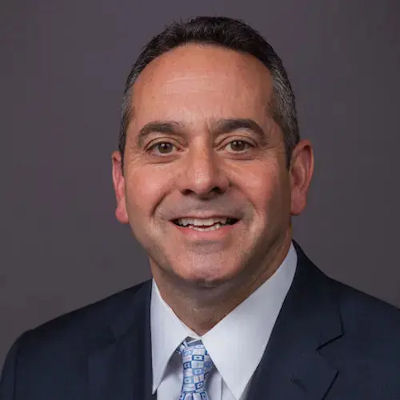
Dr. Eric Kaplan is a board-certified psychiatrist with over three decades of experience in mental health, neurology, and forensic psychiatry. He is recognized for his expertise in treating a wide range of psychiatric conditions, including depression, bipolar disorder, anxiety disorders, substance use disorders, and traumatic brain injuries, as well as for his work in complex psychopharmacology.